06:38FRPlt 11531 words
Union Pacific starts battery-electric locomotive tests in California
Union Pacific has launched battery-electric locomotive testing in Southern California, moving the technology from evaluation to real freight service trials.
· 3 min journey
Calling at
- Union Pacific has begun testing battery-electric locomotives in Southern California
- The trial moves battery traction from evaluation to real freight operating conditions
- No fleet-level adoption timeline has been announced; testing scope will shape next steps
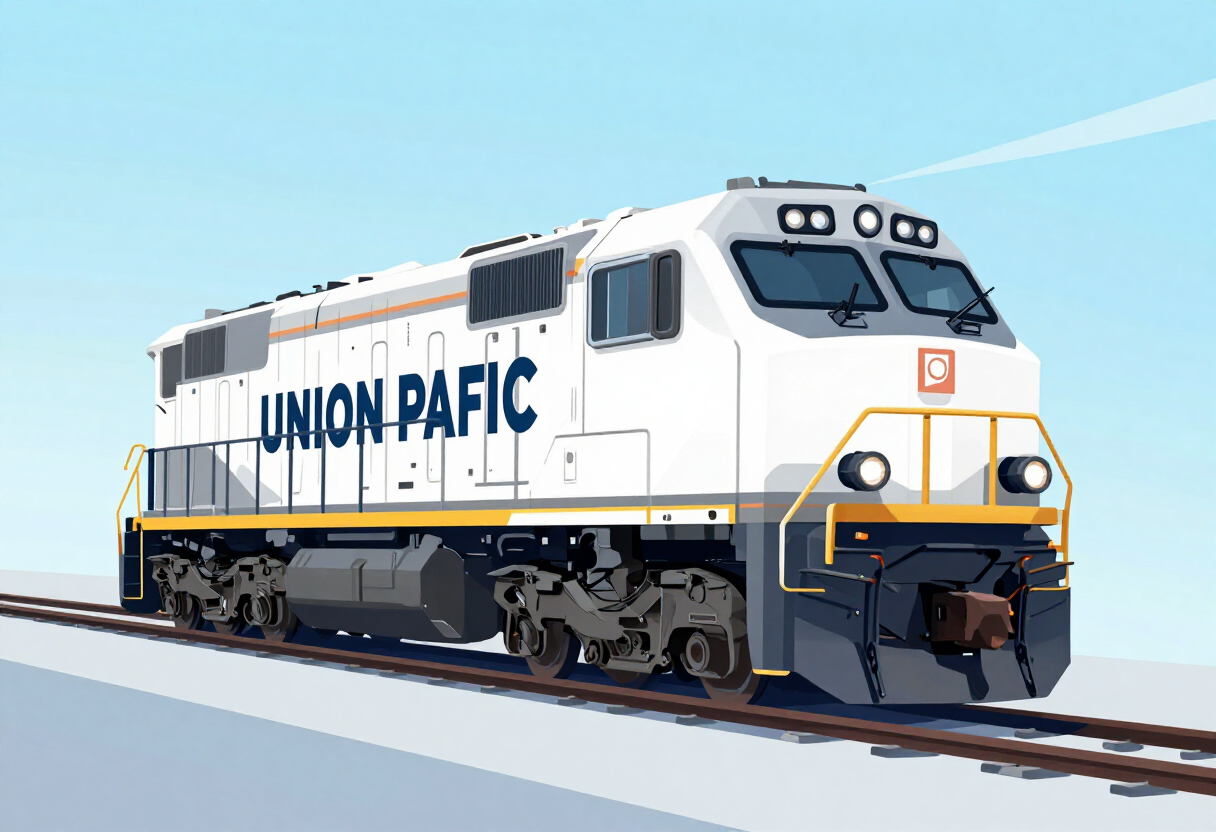
Union Pacific has begun testing battery-electric locomotives in Southern California, launching a trial programme aimed at measuring how battery traction performs in revenue freight service rather than in demonstration conditions.
The tests, first reported by FreightWaves, mark the railroad's move from evaluating battery technology on paper to running it on the ground in one of its core operating territories. Southern California is a significant proving ground for the programme: the region combines dense intermodal traffic with some of the strictest air-quality regulation in the United States, giving the railroad both operational and regulatory reasons to validate the technology there.
Battery-electric locomotives differ from conventional diesel-electric units in one fundamental way: they draw energy from onboard battery packs rather than from a diesel prime mover. That shift carries direct consequences for operating cost and maintenance. Battery units eliminate diesel fuel consumption during operation and reduce the number of moving mechanical parts that wear and require servicing. For a railroad the size of Union Pacific, which runs one of the largest diesel locomotive fleets in North America, even modest fuel and maintenance savings per unit would compound across thousands of locomotives and millions of annual service miles.
The testing programme will need to answer the questions that determine whether battery traction can scale beyond pilots. Range and recharge time under realistic train loads remain the central unknowns: a locomotive that cannot sustain a full duty cycle, or that ties up assets in extended charging, delivers less usable capacity than the diesel units it would replace. Union Pacific's engineers will also have to weigh battery performance against the railroad's existing operational patterns, including long-distance runs through corridors where charging infrastructure does not yet exist.
The Southern California location also ties the trial to the freight railroad industry's broader decarbonisation pressure. Railroads face mounting regulatory and commercial incentives to cut emissions, particularly in California, where state regulators have pushed for cleaner freight operations in port-adjacent corridors. Battery-electric locomotives are one of three main routes under consideration across the industry, alongside hydrogen fuel cell units and retrofitted diesel fleets using renewable fuels. Each option carries different infrastructure costs and operational trade-offs, and no single technology has yet established itself as the default choice for mainline freight.
For Union Pacific, the data from this programme will feed directly into fleet planning decisions in the years ahead. The railroad, like its Class I peers, must decide which traction technologies to invest in as diesel fleets age and emissions targets tighten. Early trial results from battery pilots across the industry have shown promise in yard and switching service, where duty cycles are short and charging windows are predictable. Mainline road freight — with heavier trains, longer runs and tighter schedules — presents a harder test.
The Southern California tests will show whether battery-electric locomotives can move beyond yard applications toward the line-haul service that accounts for the bulk of North American freight tonnage. Union Pacific has not yet committed to a fleet-level adoption timeline; the scope and duration of the current testing phase will determine what the railroad announces next regarding battery traction in its network.
via Google News: Freight rail (Source)
More from Olivia Hart
Show full bio
Market editor covering industry trends and analytics at Mainline Report.
149 articles
Connecting services · Related articles
- 12:35
Union Pacific Calls Its Own Numbers: Moving More With Less
- 24:10
Metra's Battery-Electric Train Trial Aims at Diesel-Free Commuter Service
- 12:30
$1.1 Trillion Rail Electrification Study Drew The Wrong Question
- 11:23
Union Pacific Points to Data-Driven Track Inspections
- 12:40
US freight rail now emits more soot-linked pollution than coal plants