10:54ROPlt 11627 words
Ploiesti to Replace Ageing Tram Fleet with 20 New Vehicles Backed by €36m EIB Loan
Ploiesti will replace its 30-tram fleet, averaging over 43 years old, with 20 low-floor vehicles funded by a €36m EIB loan and €9m EU grant, with delivery expected between 2026 and 2029.
· 3 min journey
Calling at
- EIB is lending €36 million toward a €51 million tram renewal project in Ploiesti, Romania
- 20 new low-floor trams will replace a 30-vehicle fleet averaging more than 43 years old
- Projected gains: 20% less energy per tram, interior noise down from 74 to 56 decibels, 8% lower operating cost per km
- Delivery and depot modernisation are scheduled for 2026-2029
- A €9 million EU Just Transition Mechanism grant supplements the EIB loan
A €36 million European Investment Bank loan will fund the purchase of 20 new trams and the modernisation of Ploiesti's tram depot, replacing a fleet of 30 vehicles that average more than 43 years in age.
The loan covers more than half of the €51 million project set for implementation by the Municipality of Ploiesti. A €9 million grant from the European Commission, provided under the EU's Just Transition Mechanism, will supplement the financing, with the municipality itself contributing the remainder.
Ploiesti, a city of roughly 200,000 people and one of Romania's ten largest urban centres, currently relies on a 30-tram fleet in which every vehicle exceeds four decades of service. That age profile places the fleet among the oldest in operation in a major Romanian city, and it drives the operating and maintenance costs the replacement programme aims to cut.
What will the new trams change?
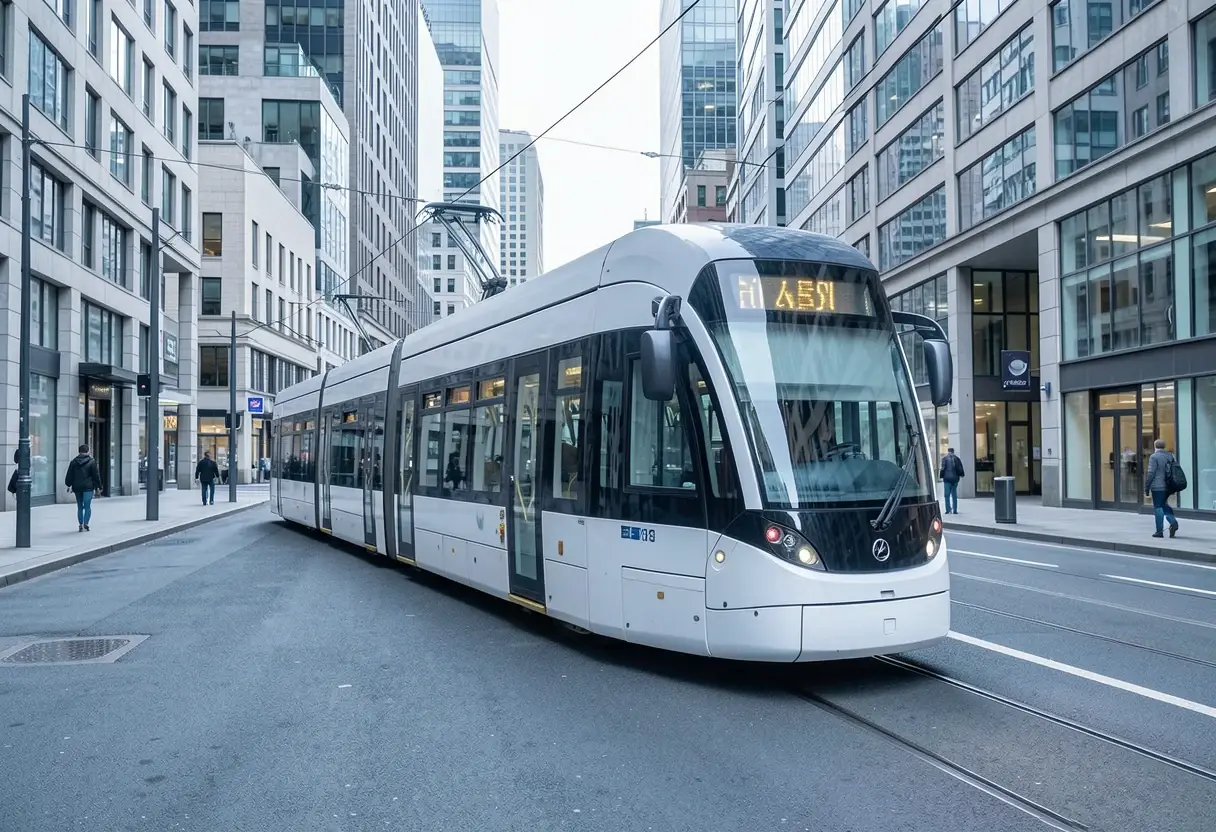
The procurement requirements set by the municipality specify low-floor vehicles that consume less energy, produce less noise and offer easier operation and maintenance than the outgoing fleet. Low floors are intended to ease travel for older passengers, families with pushchairs and people with reduced mobility.
The projected performance figures are concrete. Each new tram is expected to use roughly 20% less energy than the vehicles it replaces, cutting associated greenhouse gas emissions by a fifth. Interior noise levels are projected to fall from about 74 decibels to 56 decibels — a reduction of 18 decibels, which passengers will register as a substantially quieter ride.
Operating and maintenance costs per kilometre are projected to decrease by roughly 8%. For a city running a 30-vehicle fleet on ageing rolling stock, that figure translates into a measurable share of annual running costs redirected away from upkeep.
EIB Vice-President Ioannis Tsakiris framed the investment in social terms rather than purely technical ones.
"Public transport is about more than getting from A to B – it is about making everyday life easier for people," Tsakiris said. "With the new trams, Ploiești is taking an important step towards a more comfortable, accessible and reliable city. We are pleased to help make that change possible."
How is the project financed?
The funding structure breaks down into three components:
- €36 million EIB loan, covering more than half of the total project cost
- €9 million grant from the European Commission
- The remaining balance contributed by the Municipality of Ploiesti itself
The European Commission grant draws on the Just Transition Mechanism, an EU programme designed to ensure the bloc's climate-neutrality target for mid-century is achieved in a socially fair way. Ploiesti's tram renewal qualifies on those grounds: the projected one-fifth cut in per-vehicle energy use contributes directly to emissions reduction goals.
When will delivery take place?
The municipality anticipates receiving the new trams and completing the depot improvements between 2026 and 2029. The three-year window reflects the twin-track nature of the project — vehicle procurement on one side, depot modernisation on the other — with both milestones tied to the city's stated goal of reducing congestion and emissions by shifting residents from private cars to public transport.
The energy, noise and cost figures cited by the EIB and the municipality are projections rather than measured results; they will be tested against fleet performance once the first vehicles enter service from 2026. If realised, a fleet-wide 20% energy reduction across 20 trams would represent a material operating saving for a mid-sized city network, alongside the accessibility gains from low-floor boarding.
For now, the financing is secured and the procurement requirements are defined. The next milestones to watch are the tender for the 20 vehicles and confirmation of the delivery schedule within the 2026-2029 window.
via railway-news.com (Source)
More from Rebecca Stone
Show full bio
Senior reporter covering money, funding and market shifts around Rail industry news and analysis at Mainline Report.
384 articles
Connecting services · Related articles
- 14:35
Hungary Draws Up €10bn Rail Investment Plan
- 12:25
SEPTA Unveils Decade-Long Accelerate Plan: 560 New Vehicles, 29 Frequent Bus Routes
- 11:15
SYSTRA Italy marks first tram arrival for Bologna network
- 07:10
Helsinki approves €48m Crown Bridges tram extension to Jätkäsaari
- 10:55
Czech Republic begins testing battery tram adapted for railway use