14:35INPlt 10487 words
Hungary Draws Up €10bn Rail Investment Plan
Hungary has assembled a €10bn rail investment plan covering tram-train services, battery traction and Budapest metro extensions, Railway Gazette International reports.
· 2 min journey
Calling at
- Hungary has announced a €10bn rail investment plan
- The plan includes tram-train services, battery traction and metro extensions
- Detailed route, fleet and delivery schedules have yet to be published
Hungary has put together a rail investment plan worth €10bn, one of the largest infrastructure funding commitments the country has announced in recent years. The programme spans tram-train routes, battery-powered traction and extensions to the Budapest metro network, according to Railway Gazette International.
The €10bn figure sets the scale of the ambition. It covers several modes at once: regional and urban rail, light rail and metro. That breadth signals a national strategy rather than a single corridor project, and it places Hungary among the heavier spenders on rail renewal in Central Europe.
Tram-train technology is a central element of the plan. Tram-trains run on urban street track and on mainline heavy rail, letting passengers travel from city centres to regional destinations without changing vehicles. For Hungarian cities seeking to connect suburban rail lines into urban tram networks, the technology can cut journey times and reduce the need for interchange-dependent operations. The plan's inclusion of tram-trains points to investment in both vehicles and track infrastructure, since the model requires compatibility between tram and train power systems, signalling and platform heights.
Battery traction forms the second pillar. Battery-equipped trains and trams can run on non-electrified lines without the cost of overhead catenary, which matters for branch lines and secondary routes where full electrification does not pay back. Deploying battery traction across a national network typically involves charging infrastructure at terminals and onboard charging from overhead lines where they exist. Hungary's plan, as reported, treats battery power as a mainstream option rather than a niche trial.
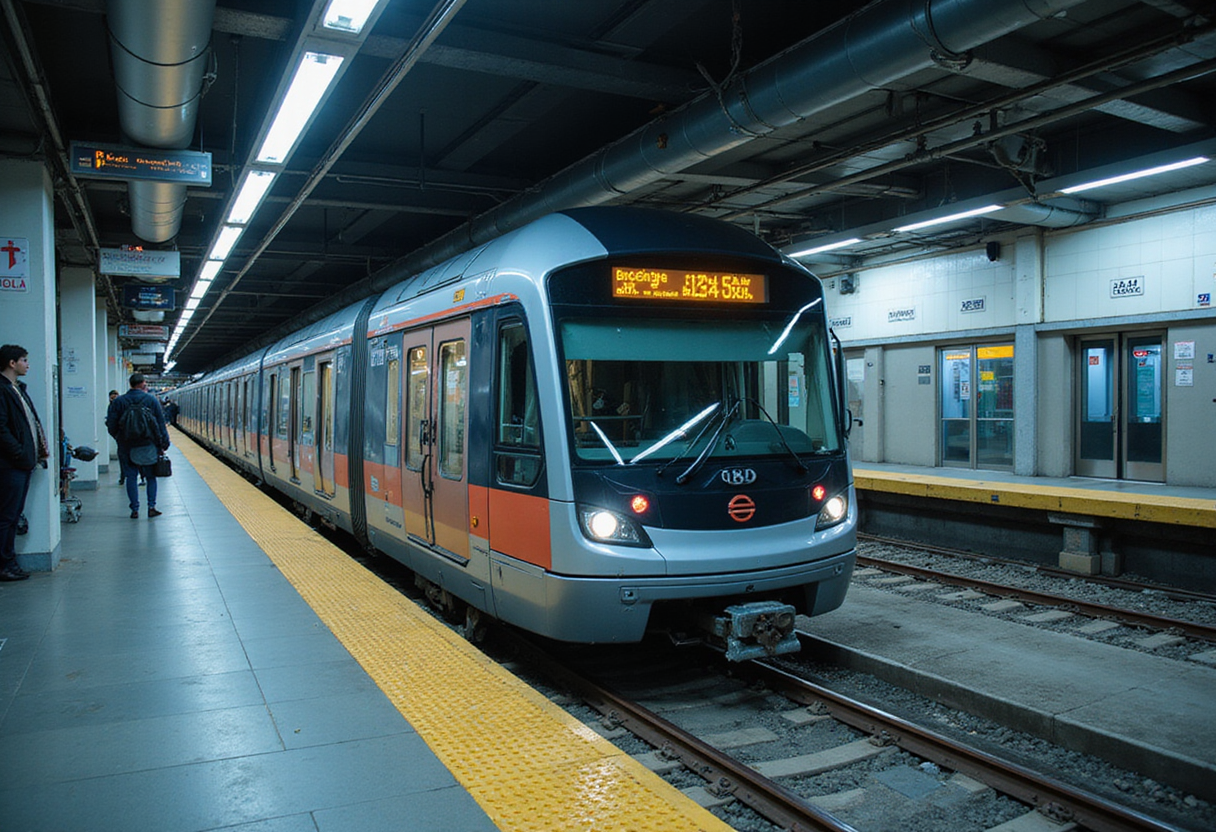
Metro extensions in Budapest complete the programme. The Hungarian capital's metro network has expanded incrementally over the past decade, most recently with the completed Line 4. Further extensions would add capacity on the busiest urban corridors, where road congestion makes additional surface transport slow and costly. The specific lines and station counts under the €10bn envelope were not detailed in the initial report.
The €10bn total covers capital investment across all three strands. How the funding divides between them, and over what timescale, will determine the practical outcome. Tram-train schemes and metro extensions are multi-year, high-cost projects; battery traction fleets can be procured and deployed on shorter cycles. A phased delivery would allow early results from vehicle orders while civil works progress.
As with any programme of this size, the announcement represents an intention that must still clear procurement, supplier selection and financing milestones before rolling stock orders and construction contracts follow. Railway Gazette International's report identifies the technologies and the funding envelope; detailed fleet plans, route selections and delivery dates remain to be published.
Hungary has signalled where it wants its rail network to go: hybrid urban-regional operation through tram-trains, lower-cost decarbonisation through batteries, and expanded metro capacity in the capital. The industry will now watch for the first concrete tenders under the €10bn plan.
via Google News: Rail infrastructure and investment (Source)
More from Rebecca Stone
Show full bio
Senior reporter covering business strategy at Mainline Report.
120 articles
Connecting services · Related articles
- 16:00
European Rail Policy: The Road Ahead for the Continent's Network
- 13:40
Hitachi Rail commits more than C$100M to urban rail signalling
- 14:50
Germany Sets New Record for Rail Infrastructure Investment
- 07:20
Rail Cargo Group adds 70 wagons for electric vehicle transport
- 15:00
ÖBB commits €19.5bn to rail investment plan