08:57PAPlt 7609 words
Korea's Merged High-Speed Rail Carries 322,000 Daily Riders, Up 12.6%
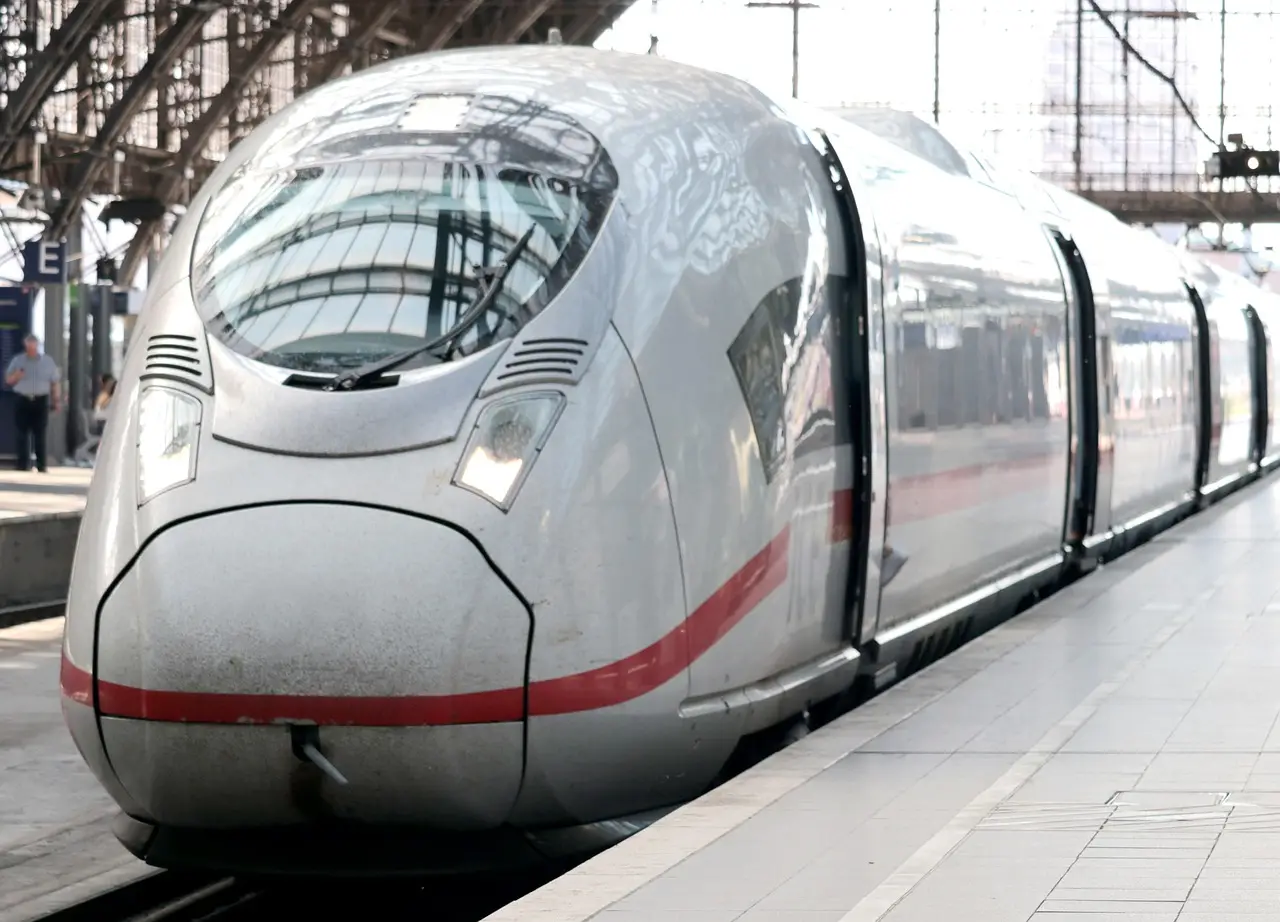
South Korea's merged high-speed network carried 322,000 daily passengers from Sept. 1 to Oct. 30, up 12.6% year on year, with transfer ridership jumping 54.4%.
· 3 min journey
Calling at
- Daily high-speed ridership averaged 322,000 from Sept. 1 to Oct. 30, up 12.6% or 36,000 passengers year on year.
- Suseo corridor ridership rose 29.5% to about 90,000 daily after frequency and capacity expansion.
- Daily transfer passengers between high-speed and conventional rail jumped 54.4% to 9,441.
- Fare discounts and mileage benefits totaled 51.5 billion won ($35 million) over two months.
- Korail plans refund-preview and simplified-booking features in the Korail+ app by end of 2024.
High-speed trains in South Korea carried an average of 322,000 passengers a day over the 60 days from Sept. 1 to Oct. 30, up 36,000, or 12.6%, from a year earlier, according to figures released Nov. 5 by the Ministry of Land, Infrastructure and Transport and Korea Railroad Corp.
The increase covers the first two months of operation since Korea's two high-speed operators merged into a single Korail-run network. The 12.6% rise translates to roughly one extra passenger for every eight carried a year ago. For context, the daily gain alone — 36,000 people — would fill roughly 24 KTX trainsets.
Where did the growth come from?
The Suseo corridor delivered the sharpest jump. Ridership there averaged about 90,000 passengers a day, a 29.5% increase year on year, after Korail expanded train frequencies and seat capacity on the route.
Transfer traffic between high-speed and conventional rail grew even faster. Wider transfer discounts introduced at the merger lifted average daily transfer passengers to 9,441 from 6,110 before the consolidation — a 54.4% rise. The ministry said the figure points to improved convenience for regional travel, with passengers using the unified network to reach destinations beyond the high-speed trunk lines.
Price effects are measurable. Fare discounts and mileage benefits paid out to passengers over the two months totaled about 51.5 billion won ($35 million). Public discounts for children, teenagers, older passengers and pregnant women, previously limited to KTX routes, now apply to former SRT routes as well. Transfer discounts between high-speed and conventional rail have been unified across the merged network.
What is being done about app and booking failures?
The merger's digital integration has not gone smoothly. The combined Korail+ app drew user complaints after launch, and the operators acknowledged the problems in their Nov. 5 statement.
Korail has already fixed issues with retaining train-type and nearby-station settings and added a round-trip booking function. Two further improvements are scheduled by the end of this year: letting users check refund amounts before completing a refund, and simplified booking.
A larger operational question remains open. Large-scale access delays hit the system during ticket sales for the Chuseok holiday, the country's peak travel period. The ministry and Korail said they are still analyzing the cause and will strengthen advance measures, including system stability checks and performance upgrades, to keep booking services stable when demand spikes. No root-cause finding has been published yet.
What did the operators say?
Land Minister Hong Ji-sun framed the results as early vindication of the merger. "Since the high-speed rail merger, we have seen a range of results including higher ridership, lower travel costs and better service," Hong said. "With safety as the top priority, we will work to ensure the benefits of the merger reach everyone."
Korail President Kim Tae-seung pointed to continuing service work. "We will keep gathering passengers' views and reflect them in improvements to booking, information services and onboard conditions," Kim said. He added: "We will make sure the unified high-speed rail network contributes to people's lives as a trunk transport system that connects the country quickly, safely and conveniently."
The ministry and Korail released the figures as a two-month snapshot; ridership during the Sept. 1–Oct. 30 window includes the Chuseok holiday surge, and the operators have not yet published seasonally adjusted data. Whether the 12.6% growth rate holds through the winter timetable, and whether the promised app fixes land on schedule by year-end, will test the merger's first full year of operation.
via Google News: High-speed rail (Source)
More from Rebecca Stone
Show full bio
Senior reporter covering money, funding and market shifts around Rail industry news and analysis at Mainline Report.
350 articles
Connecting services · Related articles
- 08:57
KTX-SRT integration lifts daily ridership 12.6% to 322,000
- 04:05
KTX-SRT Merger Adds 34,000 Daily Passengers in First Month
- 08:57
KTX-SRT integration lifts average daily ridership to 322,000
- 08:57
South Korea rail integration lifts daily ridership by 12.6%
- 15:54
Korean high-speed integration draws 9.36 million riders in a month