08:57PAPlt 2775 words
KTX-SRT integration lifts average daily ridership to 322,000
KTX and SRT integration lifted average daily high-speed rail ridership to 322,000, up 12.6% year on year, while transfer growth and 51.5bn won in discounts improved access and passenger costs.
· 4 min journey
Calling at
- Average daily high-speed rail ridership reached 322,000 in the first two months after integration, up 12.6% or 36,000 year on year.
- Suseo corridor daily ridership rose 29.5% to 90,000 after train frequency and seat capacity increased.
- Average transfer volume increased 54.4%, from 6,100 before integration to 9,441 afterward.
- Passengers received benefits worth around 51.5 billion won through fare discounts and mileage programmes over two months.
- A comprehensive emergency-response drill took place at Pyeongtaek-Jije Station on Oct. 28.
Average daily high-speed rail ridership reached 322,000 in the two months after KTX and SRT services were integrated, South Korea’s Ministry of Land, Infrastructure and Transport and Korea Railroad Corporation said on the 5th. The total was 12.6%, or 36,000 passengers, above the same period a year earlier. The ministry and Korail present these as measured results, not forecasts.
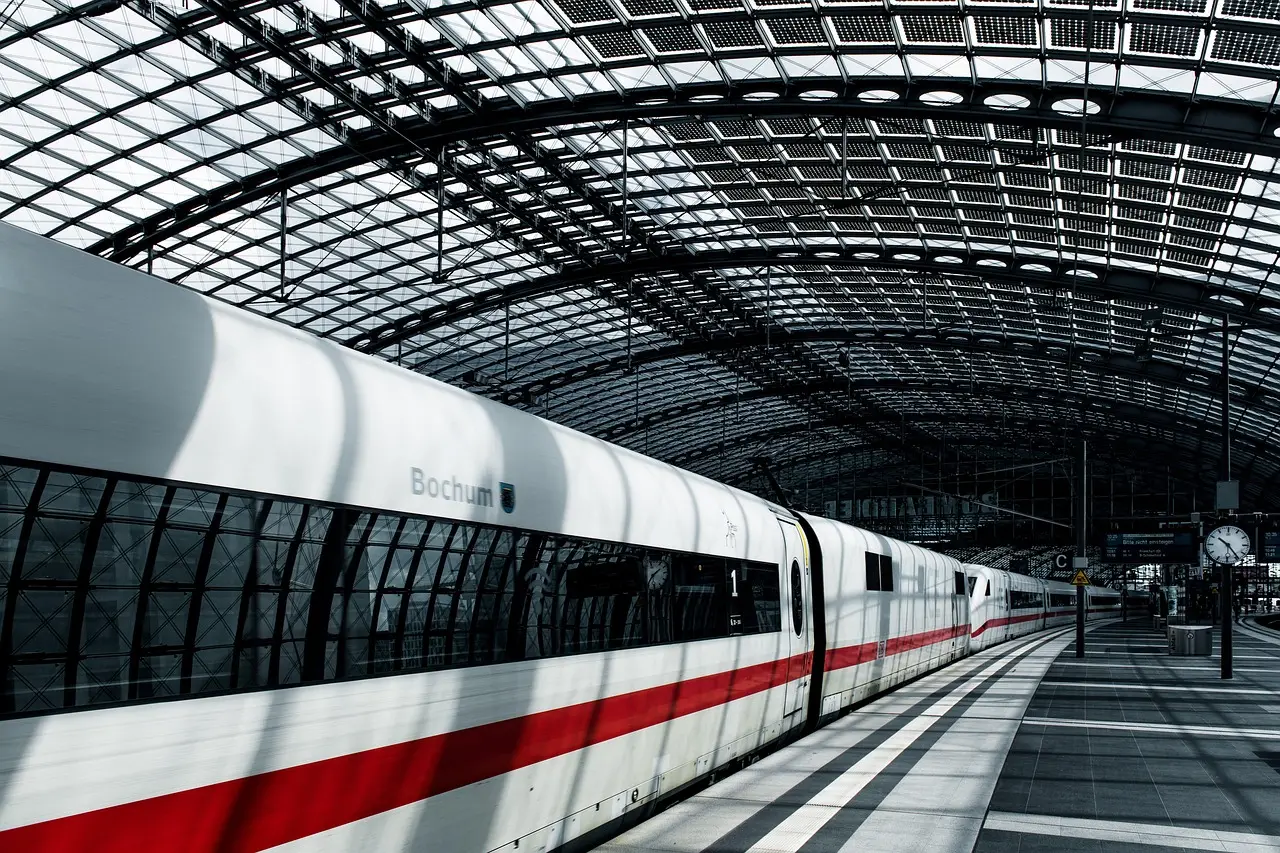
KTX and SRT operations were integrated on Sept. 1. The announcement showed a coupled train at a Seoul Station platform on the first day. The year-on-year ridership increase reached 11.9% in September, the first integration month, and rose to 13.3% in October.
What has the integration delivered?
The ministry and Korail increased train frequency and seat capacity on the Suseo corridor. Average daily ridership there reached 90,000, up 29.5% from the same period a year earlier. Neither agency published the revised timetable, added train count or seat increase.
The data therefore show a 29.5% corridor gain but do not quantify how much came from added capacity versus a shift from conventional rail. The announcement also provides no fleet plan against which to test the operating change.
How are fares and transfers changing?
The average number of transfer passengers increased 54.4%, from 6,100 before integration to 9,441 afterward, as the ministry and Korail expanded discounts between high-speed and conventional rail. The larger transfer market and unified discount structure lower the cost of changing services.
Passengers received benefits worth around 51.5 billion won through fare discounts and mileage programs during the two months after integration. The ministry did not provide a breakdown by discount or programme, so the figure represents an agency estimate rather than an independently itemized total.
The agencies extended public discounts for children, teenagers, senior citizens and pregnant women to SRT routes. They also unified transfer discounts between high-speed and conventional rail, extending the same transfer benefits across the two networks and supporting the shift toward integrated journeys.
The ministry and Korail renovated restrooms on KTX-1 trains and added cleaning staff as part of improvements to older facilities. The work targets onboard service conditions, although the announcement specified neither the number of trains refurbished nor the additional staffing level.
Minister Hong Jiseon said: “The benefits of integration are beginning to emerge: more than 320,000 people now use high-speed trains each day, and the burden of transportation costs is decreasing.” He also said the agencies would address booking inconvenience and make safety the top priority.
Korail President Kim Taeseung said: “We will repay the public with thorough safety measures and service so that a unified high-speed rail system can contribute to balanced national development as a fast, safe and convenient nationwide transport network.”
Which booking changes are due by year-end?
The ministry and Korail have announced several service changes:
- By the end of this year, they plan to add a feature showing the expected refund amount before cancellation and streamline the reservation process.
- A UI/UX committee is gathering outside-expert feedback on booking improvements, including train-type and adjacent-station settings that previously failed to remain selected and the missing round-trip booking function.
- The agencies will analyze the causes of widespread access delays during this year’s Chuseok holiday booking period.
- They plan to strengthen preventive measures through system-stability checks and performance improvements so the booking system remains stable during heavy traffic.
- They will add tools to detect and block fraudulent reservations made with macros and other automated methods.
How is safety being checked?
The ministry and Korail inspected potential risks across facilities and operations, including rolling stock, and took steps to address them. They did not publish the number of inspections, defects corrected or operational changes resulting from the review.
A comprehensive emergency-response drill at Pyeongtaek-Jije Station on Oct. 28 tested the response systems of the relevant agencies. The exercise forms part of the post-integration safety work and provides a measurable test for coordination between railway operations and emergency services.
A labour-management-government consultative body will continue after integration. It includes Korail’s labour and management alongside outside experts, and will discuss operational issues and monitor follow-up measures. The announcement did not set a meeting schedule or numerical safety targets.
The next measurable checkpoint comes with the year-end booking update, including the refund estimate and anti-fraud tools. The ministry and Korail will need to show that stable bookings, lower passenger costs and safe operations can accompany the reported 322,000 daily passengers, rather than merely follow from added capacity and expanded discounts.
via Google News: High-speed rail (Source)
More from Rebecca Stone
Show full bio
Senior reporter covering money, funding and market shifts around Rail industry news and analysis at Mainline Report.
350 articles
Connecting services · Related articles
- 08:57
KTX-SRT integration lifts daily ridership 12.6% to 322,000
- 04:05
KTX-SRT Merger Adds 34,000 Daily Passengers in First Month
- 08:57
Korea's Merged High-Speed Rail Carries 322,000 Daily Riders, Up 12.6%
- 15:54
Korean high-speed integration draws 9.36 million riders in a month
- 24:44
Korea's Integrated High-Speed Rail: 9.36 Million in Opening Month