08:57PAPlt 7665 words
South Korea rail integration lifts daily ridership by 12.6%
Integrated KTX and SRT operations lifted average daily high-speed rail ridership 12.6% to 322,000, while transfers rose 54.4%. Fare and mileage benefits reached 51.5 billion won.
· 3 min journey
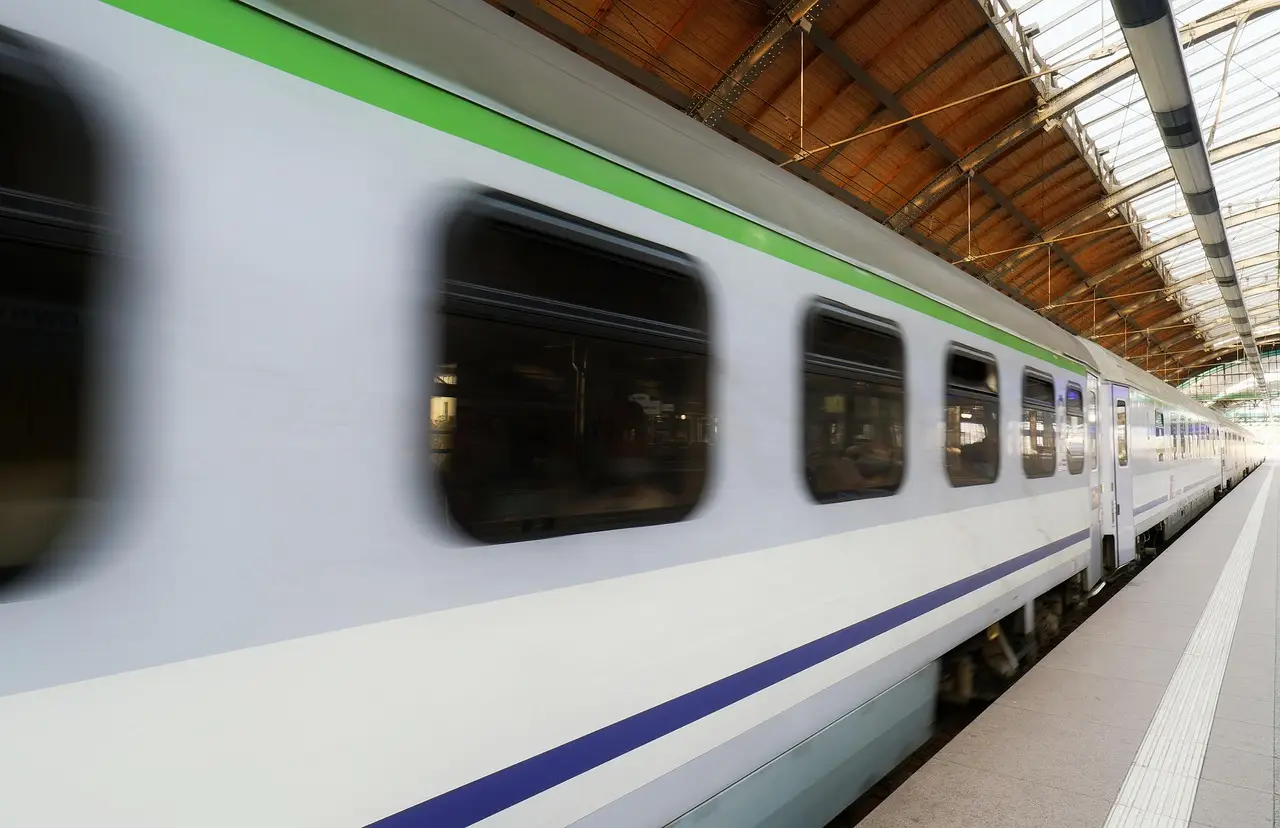
South Korea’s integrated KTX and SRT services carried an average 322,000 passengers a day after the Sept. 1 operating change, up 36,000, or 12.6%, from a year earlier, the Ministry of Land, Infrastructure and Transport (MOLIT) reported on the 5th.
Over the following two months, Korea Railroad Corporation (KORAIL) provided public benefits worth about 51.5 billion won through fare discounts and mileage benefits, MOLIT said. The ministry presented these as realized benefits rather than forecasts, but did not give an average saving per passenger or a fare table.
KORAIL and Su-seo High-speed Rail (SR) began integrated high-speed operations on Sept. 1. The arrangement, which combines fare discounts and transfer rules across KTX and SRT, extended public concessions that previously applied only to KTX.
KTX-only discounts now cover SRT routes for children, teenagers, seniors and pregnant passengers. The integration also combines transfer discounts between high-speed and conventional rail. The change works through eligibility and price: more passengers qualify for reductions, and travelers changing trains can use the integrated transfer discount structure. MOLIT says the result has lowered transport costs.
What does the integration change for passengers?
Passengers now receive broader eligibility for discounts, lower transfer prices and more high-speed seats, although the booking application still needs work. Three reported results define the operating change:
- Average daily high-speed rail traffic reached 322,000, 36,000 above the previous-year level, a 12.6% increase.
- The Su-seo corridor, which had faced severe seat shortages, averaged about 90,000 daily passengers, 29.5% more than a year earlier.
- Daily transfers between high-speed and conventional rail rose 54.4%, from 6,110 to 9,441.
MOLIT links the traffic increase to rising seat supply under integration. It does not quantify the added seats or identify fleet and timetable changes, so the 12.6% figure cannot be tested against KORAIL or SR fleet plans and network capacity data from this announcement alone.
That distinction matters: passenger numbers are measured results, while any claim that integration will deliver further capacity gains remains a projection without quantified seats, fleet additions or timetable evidence.
Minister Hong Ji-seon of MOLIT said: “Since the high-speed rail integration, more than 320,000 people a day have been using trains and transportation costs have decreased, showing the beginning of the integration’s effects.” His wording frames the results as an early effect rather than proof of a settled long-term pattern.
He added: “We will carefully examine even small on-site issues, including booking inconveniences, and do our utmost to ensure that, with safety as the top priority, the outcomes of integration benefit everyone.” The statement places safety alongside traffic growth, but the announcement reports no separate safety measure.
The booking system remains unfinished
KORAIL+, the integrated booking application, drew complaints about inconvenience. KORAIL plans to continue improving it, with two functions slated for upgrade by the end of this year:
- Show the refund amount before processing a refund.
- Make the booking process easier.
The announcement gives neither a specific release date within the year nor service targets. The work therefore remains scheduled, not delivered.
KORAIL also intends to strengthen measures against access delays during Chuseok bookings and fraudulent reservations made with macros, meaning automated reservation scripts. These actions target service reliability rather than seat supply: timely access, accurate refund information and effective controls against reservation abuse address the friction behind the complaints.
That distinction matters because the measured traffic gain combined additional seat supply with lower travel costs. The software changes determine whether passengers can obtain and use those benefits reliably.
The next measurable checkpoint is year-end: whether KORAIL delivers the booking and refund upgrades, reduces access delays and blocks fraudulent macro reservations. Until then, the 322,000 daily riders, 54.4% transfer increase and 51.5 billion-won public benefit remain ministry-reported outcomes of the first two months; the software improvements and any further capacity effect remain unproven.
via Google News: High-speed rail (Source)
More from Priya Raman
Show full bio
Staff writer covering companies, deals and strategy in Rail industry news and analysis at Mainline Report.
367 articles
Connecting services · Related articles
- 08:57
KTX-SRT integration lifts daily ridership 12.6% to 322,000
- 08:57
KTX-SRT integration lifts average daily ridership to 322,000
- 11:35
Korail Holds 10% High-Speed Rail Discount for Three Years, Plans Yongsan Sale
- 04:05
KTX-SRT Merger Adds 34,000 Daily Passengers in First Month
- 15:54
Korean high-speed integration draws 9.36 million riders in a month