19:53PAPlt 12449 words
New Funding Pulls Florida's Brightline Back From Bankruptcy
Florida's privately operated high-speed railroad has secured fresh funding to avoid bankruptcy, CoStar reports, keeping Miami–Orlando trains running while debt questions linger.
· 2 min journey
Calling at
- Florida's high-speed railroad has avoided bankruptcy by securing new funding, CoStar reports.
- The size of the funding package, its investors and its terms were not disclosed in the report.
- The operator serves the Miami–Fort Lauderdale–West Palm Beach–Orlando corridor, with trains continuing to run under the arrangement.
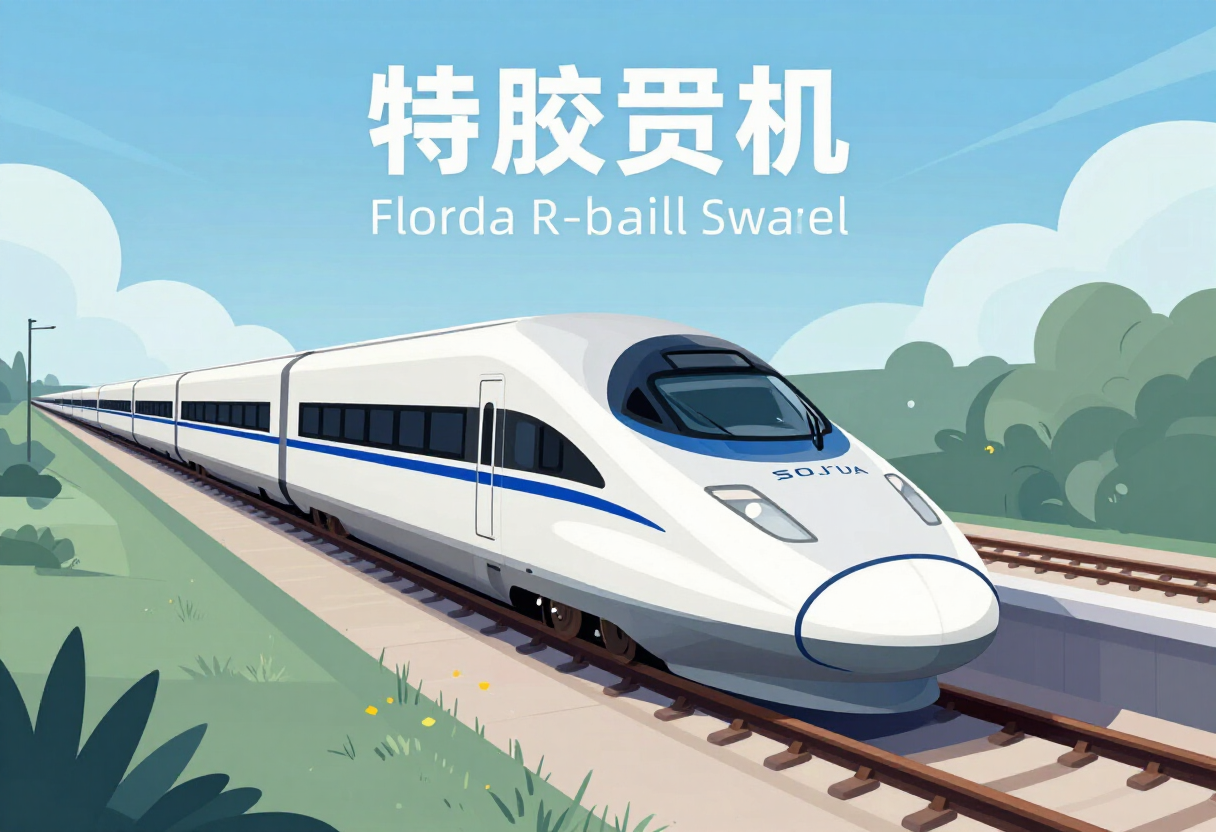
Florida's only privately operated intercity passenger railroad has secured new funding, allowing the high-speed service to avoid bankruptcy, according to a report by CoStar.
The deal resolves — at least for now — the most acute financial threat facing the operator since its trains began running between Miami and Orlando. CoStar describes the arrangement as a swerve around insolvency rather than a full restructuring, meaning the service continues to operate under existing management while its backers address the debt load behind it.
The development matters beyond Florida. The railroad is one of the few privately financed passenger rail ventures in the United States, and its financial health is watched closely by developers, lenders and public agencies weighing similar projects elsewhere. A bankruptcy filing by a high-profile private operator would have handed ammunition to skeptics of privately funded intercity rail just as several corridors — including the operator's own planned extension to Tampa — remain at the study or negotiation stage.
What the new funding buys is time. The operator has spent years carrying the cost of building and launching the line: track upgrades along the Florida East Coast Railway corridor, new stations, and the 170-mile extension from West Palm Beach to Orlando International Airport that opened in 2023. Ridership has grown since the Orlando launch, but revenue has not yet caught up with the capital structure built to deliver the project.
CoStar's report frames the outcome as a near miss. Bankruptcy was a live possibility; fresh capital has taken it off the table for the moment. The report does not state the size of the funding package, the identity of the investors, or the terms attached to it — details that will determine whether this is a genuine recapitalisation or a bridge to a harder negotiation with creditors later.
For passengers, nothing changes in the short term. Trains keep running on the Miami–Fort Lauderdale–West Palm Beach–Orlando corridor. For the regions served, the stakes are economic as much as operational: station-anchored development in Miami, Aventura, Boca Raton and Orlando has been planned around the railroad's permanence, and property interests — the audience CoStar serves — have priced the service into land values along the route.
The open question is sustainability. Avoiding bankruptcy is not the same as achieving profitability, and the operator will still need to demonstrate that ridership and ancillary revenue — including its station real estate portfolio — can service the debt that the new funding has deferred rather than erased.
CoStar indicates the funding arrangement closes the immediate insolvency risk; the operator's ability to convert that reprieve into a durable balance sheet will become clear as its next financial disclosures and expansion decisions emerge.
via Google News: High-speed rail (Source)
More from James Calloway
Show full bio
Correspondent covering consumer brands and retail at Mainline Report.
150 articles
Connecting services · Related articles
- 15:40
Florida High-Speed Rail Operator Files for Chapter 11 Protection
- 18:53
Brightline Bankruptcy Puts US Private Passenger Rail Financing on Trial
- 15:50
Brightline Florida Files for Bankruptcy; Las Vegas Rail Delayed
- 15:53
Brightline Proves Demand for Trains. The Funding Question Remains
- 22:33
DOT Unveils $2.04 Billion Package to Modernize US Rail