17:49INPlt 5596 words
MTA taps STV to engineer upgrades at 22 NYC traction power substations
MTA Construction & Development has picked STV to design upgrades at 22 NYC traction power substations and breaker houses, replacing equipment past its useful life.
· 3 min journey
Calling at
- MTA C&D selected STV as general engineering consultant for improvements to 22 power facilities in four NYC boroughs
- Scope covers design of 10 substations and 12 circuit breaker houses
- Much of the existing traction power equipment is beyond its useful life, per STV
- Scope includes a feasibility study on reversible traction power to capture regenerative braking energy
- AI-enabled thermal imaging will be deployed to help prevent equipment failures
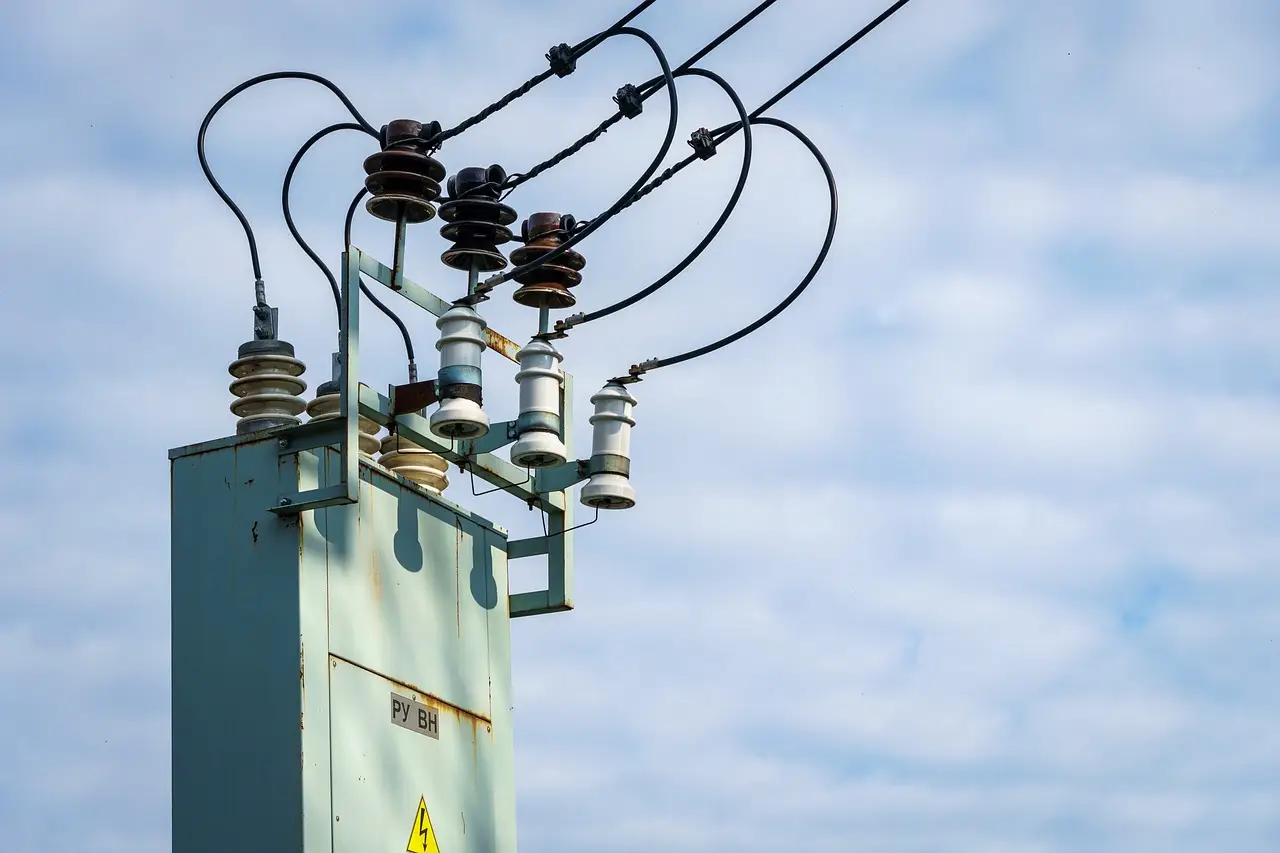
MTA Construction & Development has selected STV as general engineering consultant for the design of improvements to 22 wayside power substations and circuit breaker houses spread across Manhattan, Brooklyn, Queens and the Bronx. The assignment covers 10 substations and 12 circuit breaker houses, with repairs, replacements and upgrades of traction power equipment across the New York City Subway's power network.
The scale matters. These facilities feed the traction power that moves millions of riders each day, and STV states that much of the existing equipment is already beyond its useful life. The program's stated purpose is to replace aging assets before they fail, strengthening a network whose reliability directly determines subway service quality.
What does the contract cover?
As general engineering consultant, STV will oversee scope development and program management for the design phase. The technical scope breaks into four strands:
- Equipment modernization: outdated switchgear, rectifiers, transformers and control systems replaced with modern traction power equipment.
- Efficiency and resiliency: upgrades including a feasibility study for reversible traction power systems that would capture regenerative braking energy — a step that, if proven viable, could recoup energy now lost as heat every time a train brakes.
- Safety and monitoring: advanced technologies, including artificial intelligence-enabled thermal imaging, intended to detect developing equipment faults before they cause failures.
- Structural and environmental work: structural, environmental and MEP improvements, with hazardous materials abatement where required.
The contract covers design only at this stage. STV's role is to define and manage the engineering scope; construction procurement and delivery decisions would follow once designs are complete. MTA C&D has not announced a construction timeline or budget for the works.
Why the aging equipment matters for riders
STV frames the modernization as essential to reducing unplanned outages, shortening recovery times during incidents and supporting a more stable power network. The operational logic is straightforward: traction power substations convert utility alternating current to the direct current that powers subway trains, and when aging switchgear or rectifiers fail, trains stop. Each unplanned outage cascades into delays across a line; faster fault detection and more reliable equipment translate directly into fewer service interruptions.
The AI-enabled thermal imaging component addresses the failure mode most common in aging electrical infrastructure — overheating components that degrade gradually before failing suddenly. Continuous monitoring gives maintenance crews warning time that periodic inspections cannot.
The regenerative braking feasibility study points to a cost dimension as well as an energy one. Reversible traction power systems, where proven feasible elsewhere, allow braking trains to return electricity to the network rather than dissipating it. On a system the size of New York's, the potential energy savings scale with train frequency.
The supplier's stated commitment
STV Regional Transportation President Marcos Díaz González tied the work directly to service outcomes. "Modern traction power is foundational to a reliable subway system and upgrading these assets will unlock more resilient service for riders," he said. "Our team is focused on delivering a fast start for the MTA, with plans to accelerate implementation, minimize disruptions and support the system's long-term growth."
His reference to accelerating implementation signals awareness that design-phase contracts on large public agencies can stretch timelines; STV is positioning early delivery as a differentiator.
What comes next
The immediate deliverable is a completed design program for all 22 facilities, feeding into MTA C&D's capital delivery pipeline. With equipment past its useful life already, the pace at which designs convert into construction contracts will determine how much of the promised reduction in unplanned outages materializes — and how soon riders feel it.
via Mass Transit Magazine (Source)
More from Olivia Hart
Show full bio
Market editor covering people, launches and day-to-day practice in Rail industry news and analysis at Mainline Report.
357 articles
Connecting services · Related articles
- 13:46
MTA Puts $1.9bn Into CBTC Signalling On Brooklyn And Queens A/C Lines
- 12:50
MTA Plans Replacement of Thousands of 1980s-Era Subway Cars
- 24:54
Austin Transit Partnership Board Approves Stadler for Light-Rail Fleet
- 22:33
MassDOT Breaks Ground on Replacement of Nearly Century-Old Rail Infrastructure
- 06:25
GBR strategy links rolling stock to electrification and access