12:50ROPlt 5560 words
MTA Plans Replacement of Thousands of 1980s-Era Subway Cars
The MTA is preparing to replace thousands of subway cars dating from the 1980s, a program that would rank among the largest fleet renewals in North America.
· 3 min journey
Calling at
- The MTA plans to replace thousands of subway cars built in the 1980s, now more than 40 years old.
- The aging fleet increases maintenance costs and constrains service capacity on one of the world's busiest metro networks.
- The program's pace depends on MTA capital funding approvals and multi-year manufacturer delivery timelines.
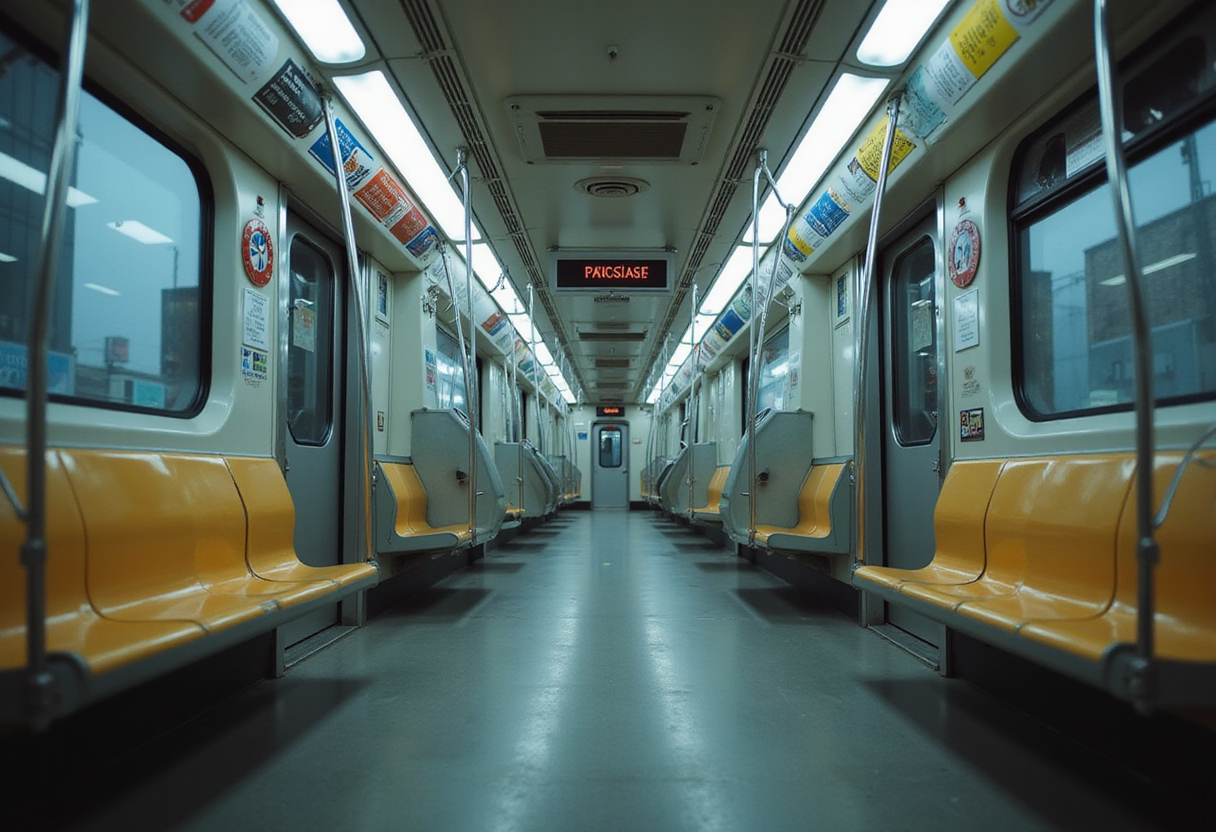
The Metropolitan Transportation Authority is moving ahead with plans to retire and replace thousands of subway cars built during the 1980s, according to a report in The New York Times. The program, if executed as outlined, would rank among the largest fleet renewals in the North American rail transit sector and would address rolling stock that is now more than four decades old.
The cars in question date from a period of heavy investment in New York's subway system during the 1980s, when the MTA took delivery of thousands of new vehicles to replace even older equipment. That generation of cars has remained in service far longer than typical fleet planning assumptions anticipated, and the agency now faces the cost and reliability consequences of operating aging assets at high frequency across one of the world's busiest metro networks.
New York's subway handles millions of passenger trips daily, and fleet availability directly determines how many trains the MTA can run. Cars built in the 1980s require more frequent maintenance, break down more often than newer classes, and consume depot capacity that could otherwise support service expansion. Replacing them is therefore not simply a question of passenger comfort; it is a capacity and cost issue at the level of the whole network.
Fleet replacement on this scale carries a multi-billion-dollar price tag by the standards of comparable programs. Recent subway car orders in North America have typically been priced in the range of $2 million to $3 million or more per car, meaning a program covering thousands of vehicles would be one of the largest rolling stock procurements in the market. Suppliers capable of building cars to New York's demanding specifications — which include high crashworthiness standards, tight clearances, and 24-hour service conditions — are limited to a small number of established manufacturers.
The MTA has recent experience with large fleet programs. Its most recent generation of cars, known as the R211 class, was ordered from Kawasaki Rail Car in a contract initially valued at roughly $1.4 billion for 535 cars, with options that could expand the fleet considerably. That order illustrates both the scale and the timelines involved: base orders of this size typically take several years from contract award to first delivery, and full fleet deployment can extend beyond a decade.
Timing remains the central question for the new replacement program. Cars built in the 1980s are already beyond the service lives assumed for earlier generations of subway stock, and each year of continued operation increases maintenance costs and the risk of availability shortfalls. The MTA's capital planning process, which requires approval from the state's Capital Program Review Board and depends on funding commitments from Albany and Washington, will determine how quickly any replacement order can proceed.
Delivery schedules will also constrain the pace of retirement. Even after a contract is awarded, manufacturers need lead time to finalize designs, build prototypes, and ramp up production. Recent supply chain pressures affecting the rail industry — including component shortages and delivery delays on other major orders — add uncertainty to any projected in-service dates.
The Times report signals that the MTA intends to put fleet renewal at the center of its next capital planning cycle. Whether the program advances on the timeline the agency envisions will depend on funding decisions expected in the months ahead.
via Google News: Rolling stock (Source)
More from James Calloway
Show full bio
Correspondent covering consumer brands and retail at Mainline Report.
150 articles
Connecting services · Related articles
- 14:00
Fleet Renewal Advice To Take Center Stage At Light & Heavy Passenger Rail 2026
- 24:10
MTA: Trump tariffs add $1bn to rolling stock costs
- 13:00
US Passenger Rail Rolling Stock Faces Renewal Question
- 02:43
MTA names Jessie Lazarus head of new rolling stock program
- 12:50
New York prepares record metro train order