23:23Rolling Stock642 words
Alstom posts €954m half-year loss as Coradia Max slips to 2028
Alstom swung to a €954m net loss as German Coradia Max delays pushed EBIT margin to -4.2%. First homologation now targets March 2028, with a €2bn debt cut planned.
· 3 min journey
Calling at
- Alstom posted a €954m net loss for H1 2026/27, versus a €220m profit a year earlier.
- First Coradia Max homologation delayed to March 2028; ~1,300 German cars affected.
- Adjusted EBIT margin fell from 6.4% to -4.2%; vehicle production down 8% to 1,860 cars.
- Order backlog reached €111bn; order intake up 5% to €11bn.
- Net debt hit €1.1bn; board targets ~€2bn debt reduction by September 2027.
Alstom recorded a net loss of €954 million in the first half of its 2026/27 financial year, reversing a €220 million profit in the same period a year earlier, according to final results published on 17 November.
The adjusted operating result swung from a €580 million profit to a €396 million loss, pushing the adjusted EBIT margin from 6.4% to -4.2%. The company attributes the deterioration largely to revised profitability estimates on rolling stock projects in Germany — the same projects now sitting at the centre of its scheduling crisis.
What went wrong with Coradia Max?
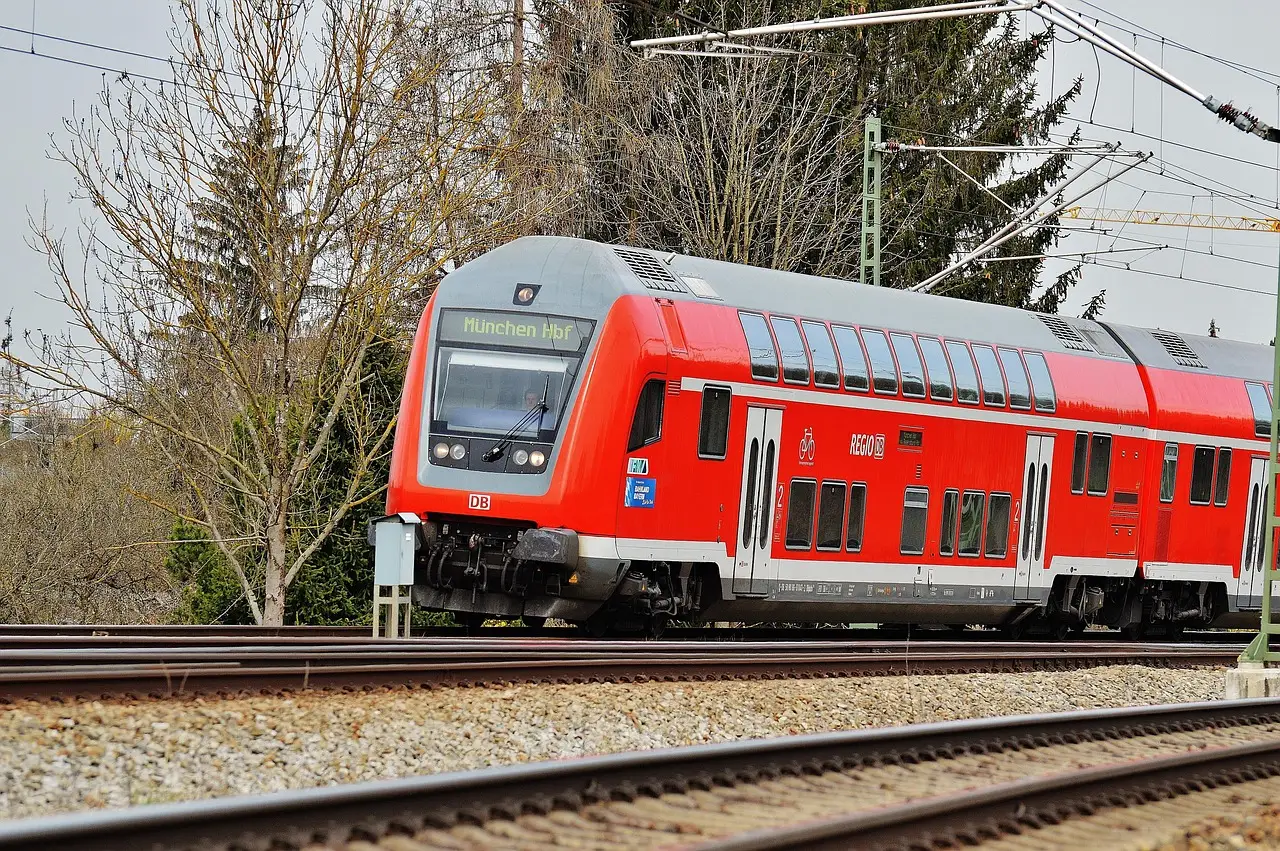
The German Coradia Max programme covers roughly 1,300 double-deck regional cars across six contracts. The largest, for 644 cars, serves Baden-Württemberg. Lower Saxony's LNVG accounts for 214 and Schleswig-Holstein's NAH.SH for 168; three further contracts cover DB Regio services.
Alstom suspended production during the first quarter after identifying technical problems. Subsequent reviews concluded that additional testing was required for vehicle approval, and the first homologation is now targeted for March 2028. The company's investor presentation values the six projects at €3–4 billion and identifies their current profitability as dilutive — a frank admission that the portfolio is dragging returns down, not merely delaying them.
The manufacturing disruption cut vehicle production by 8%, from 2,017 to 1,860 cars. No revised delivery dates for the individual Baden-Württemberg, LNVG or NAH.SH fleets appear in the published material; the March 2028 target covers first homologation only, and operators will reasonably ask what that means for entry into service.
Where is the business still growing?
The order picture is less gloomy than the bottom line. Order intake rose 5% to €11 billion, sales rose 3% to €9.33 billion, and the backlog stood at €111 billion at the end of September 2026 — more than eleven years of revenue at the current half-year sales rate.
The regional mix shifted sharply. European orders fell from €5.2 billion to €3.8 billion, while Africa, the Middle East and Central Asia jumped from €228 million to €3.25 billion. New business included:
- a €2.9 billion rolling stock and support package for VIA Rail Canada;
- contracts worth approximately €1.1 billion for battery-electric trains and maintenance for Britain's TransPennine Express.
Whether the faster-growing regions carry comparable margins to the European business they are replacing is not addressed in the results; the geography of orders has changed faster than any disclosed profitability data on it.
What does the guidance say?
Alstom confirmed the reduced full-year guidance previously reported by Railmarket. It expects an adjusted operating margin of around 1% and negative free cash flow of €1.5 billion for 2026/27 — a stark contrast with the 6.4% margin delivered just one year earlier.
Free cash flow was already negative €1.25 billion in the first half, against negative €740 million a year earlier, meaning the second half is projected to consume a further €250 million. Net debt reached €1.1 billion at the end of September.
The board is examining asset disposals, equity-related financing and internal measures as part of a plan to cut debt by approximately €2 billion by September 2027 — a reduction almost double the current net debt figure, implying either substantial asset sales or a materially different balance sheet within ten months of that deadline. No specific assets have been named.
CEO Martin Sion also plans changes to the company's operating structure, with key decisions expected before the end of 2026. What those decisions cover, and whether they touch the German manufacturing organisation where the losses originated, remains unsaid.
The March 2028 homologation date now anchors the recovery narrative; until testing validates it, every margin forecast built on the German programme rests on a schedule Alstom has already moved once.
via railmarket.com (Source)
More from Amara Osei
Show full bio
News editor covering technology and product news in Rail industry news and analysis at Mainline Report.
411 articles
Connecting services · Related articles
- 09:54
Alstom signs €460m Riyadh metro train order despite margin warning
- 08:35
InnoTrans 2026: Alstom, Siemens and Škoda lead €1bn-plus rolling stock deals
- 09:15
Alstom completes S$1·16bn Singapore metro fleet renewal
- 24:44
Rheinmetall to acquire Alstom's Kassel locomotive factory
- 02:44
BeNEX orders 56 Siemens EMUs for Mainfranken regional services