16:10POPlt 10440 words
T&E calls for 1,500 km through-ticket rule for EU rail operators
Transport & Environment wants EU rail operators forced to sell single through-tickets to any EU capital within 1,500 km, targeting fragmented cross-border retailing.
· 2 min journey
Calling at
- T&E proposes a 1,500 km threshold for mandatory through-ticket sales to EU capitals
- The rule would require rail operators to sell connecting journeys as a single ticket
- The proposal targets fragmentation in cross-border rail retailing across the EU
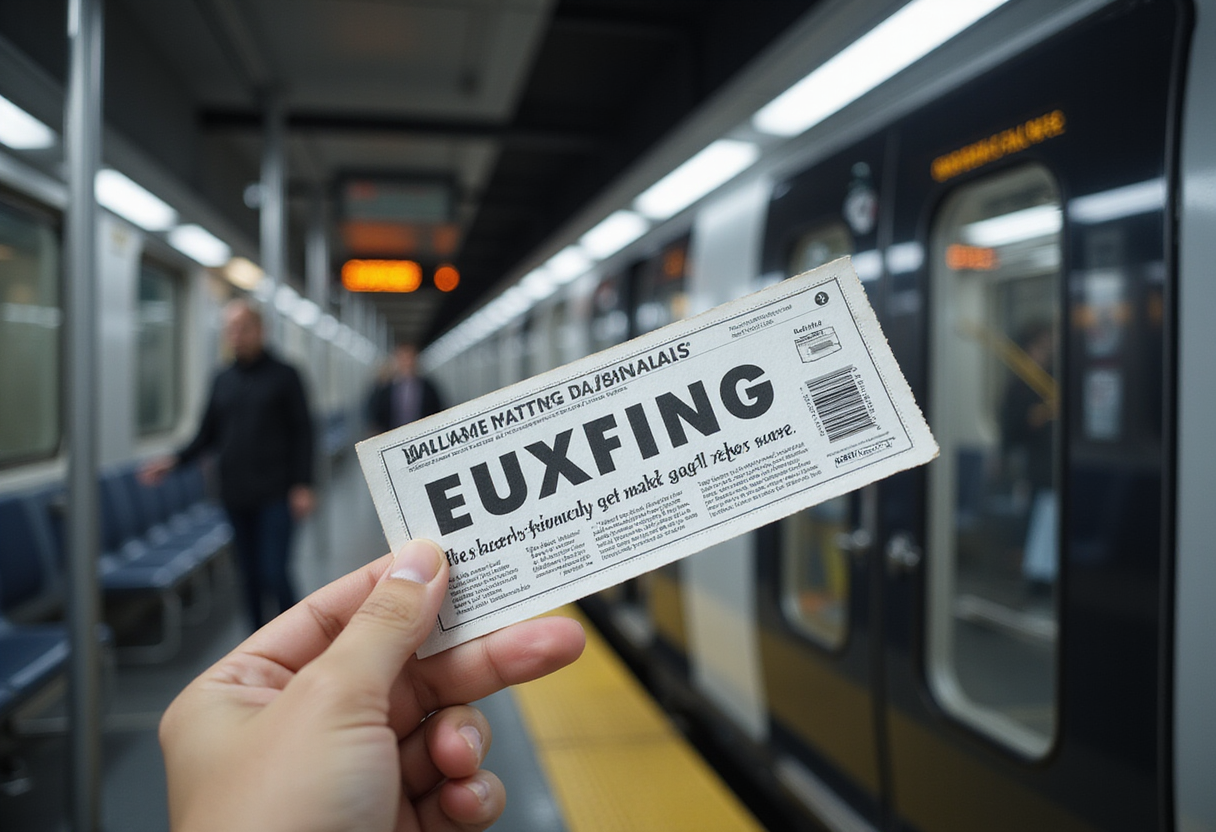
Transport & Environment (T&E) has proposed that rail operators in the European Union be obliged to sell through-tickets covering journeys to any EU capital located within 1,500 km of the departure point. The distance band matters: 1,500 km is roughly the threshold at which rail competes directly with short-haul aviation on city-to-city travel, where airlines currently hold a large share of bookings because a single ticket and a single transaction are standard.
T&E, a Brussels-based non-governmental organisation that campaigns on transport policy, frames the proposal as a remedy to fragmented rail retailing. Buying a cross-border train journey in Europe today often means combining tickets from two or more national operators, each with its own booking system, fare rules and conditions of carriage. That friction, not journey time alone, is what pushes many travellers onto flights for trips that rail could serve.
What does the rule change for operators and passengers?
For passengers, the obligation would work as a guarantee: a single purchase covering the whole itinerary, including connections between different carriers, with one point of responsibility when something goes wrong. For operators, it would mean their distribution systems must interoperate — selling a leg operated by a foreign carrier as part of one transaction, and handling refunds or compensation across that boundary.
The burden would fall unevenly. Large state-backed incumbents with mature international sales channels could absorb the change more easily than smaller operators or new entrants, for whom building links to every counterpart network within a 1,500 km radius is a real technical and commercial cost. Regulators would need to define how revenue is split on a through-ticket and who compensates a passenger when a connecting train is missed.
The policy context
The proposal lands amid a wider EU push to shift medium-distance traffic from air to rail, including efforts to improve cross-border ticketing and timetable co-ordination. T&E's specific ask sharpens that agenda by attaching a hard distance threshold and a named destination set — the EU capitals — to what has so far been a voluntary and patchy process of bilateral retailing agreements between operators.
From claim to legislation
An NGO proposal is not a draft law. Whether the 1,500 km figure survives contact with the legislative process depends on the European Commission and Parliament, and on how incumbents and smaller carriers argue the compliance costs against the modal-shift benefits. T&E's contribution is to put a concrete number on the table; the test ahead is whether that number becomes an obligation in EU passenger rights or rail market legislation.
via Google News: High-speed rail (Source)
More from Priya Raman
Show full bio
Staff writer covering companies, deals and strategy in Rail industry news and analysis at Mainline Report.
312 articles
Connecting services · Related articles
- 16:00
European Rail Policy: The Road Ahead for the Continent's Network
- 16:19
Brussels pushes high-speed rail reform agenda forward
- 21:08
French government report pinpoints causes of rolling stock delays
- 24:39
German rail infrastructure plan unlikely to deliver real impact
- 24:49
Rail permit model redistributes costs among freight operators