09:49SAPlt 9917 words
Railroad crossings kill 286 a year as wildlife overpass buildout accelerates
FRA figures show 2,273 crossing collisions and 286 deaths a year, while $110M in federal wildlife-crossing grants reaches 19 projects and Colorado reports 90% crash cuts.
· 5 min journey
Calling at
- The FRA cites approximately 2,273 crossing collisions annually, with 286 fatalities and 766 injuries.
- Colorado has built more than 40 wildlife underpasses and three overpasses, reporting roughly 90% crash reductions where crossings are fenced.
- USDOT-backed pilot funding of $110 million is going to 19 wildlife-crossing projects in 17 states.
- California's Wallis Annenberg wildlife crossing over US 101 is set to open December 2.
- Kentucky recorded a seven-year high of 3,411 deer collisions in 2025, including 823 in November alone.
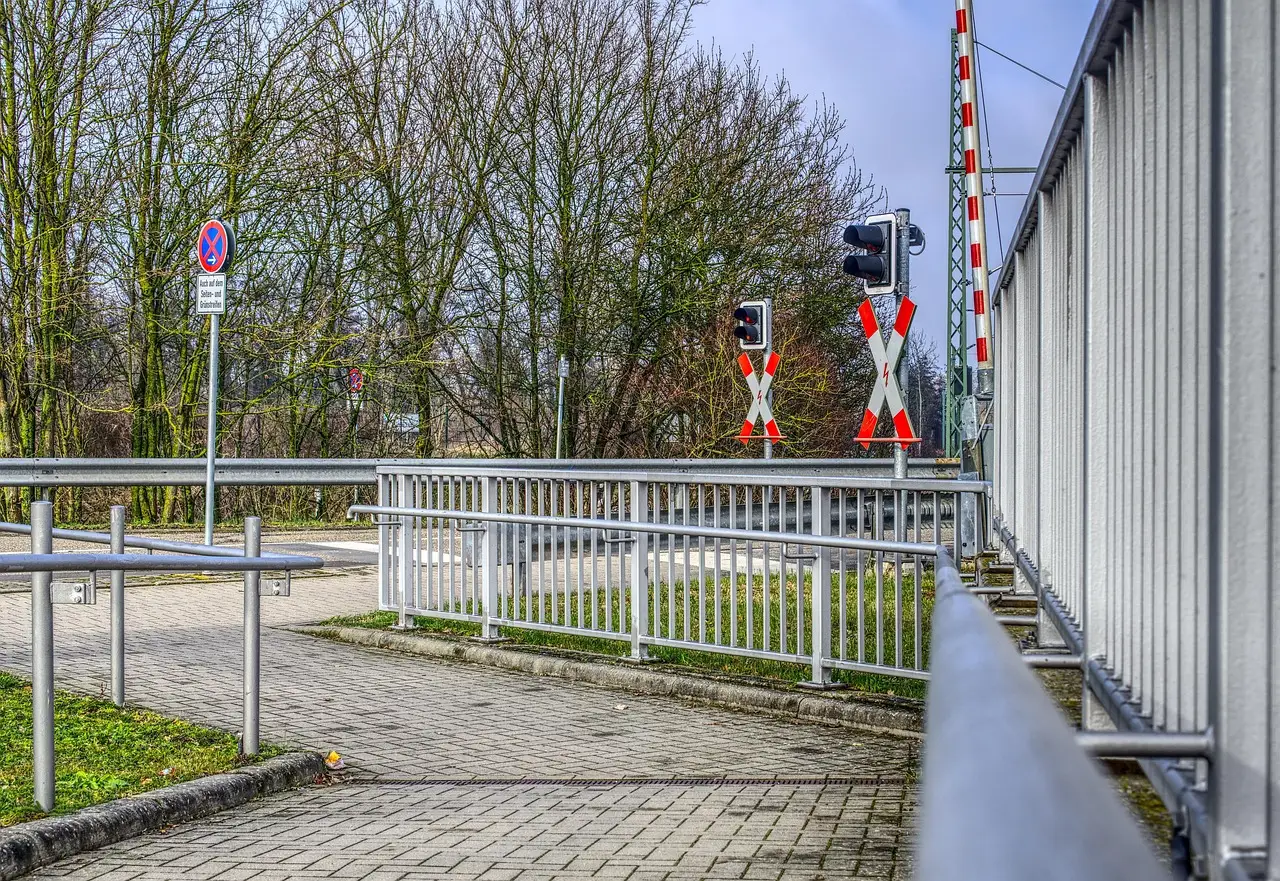
Approximately 2,273 collisions occur every year at public and private railroad crossings in the United States, producing 286 fatalities and 766 injuries, according to Federal Railroad Administration figures cited on Episode 58 of the Infrastructure Technology Podcast. That count frames the safety problem facing transit agencies, regulators and road authorities alike — and it sits alongside an equally concrete wildlife toll: roughly 200 human deaths and more than 26,000 injuries annually from wildlife-vehicle collisions, at a national cost of about $8 billion.
The episode, hosted by Gavin Jenkins of Roads and Bridges, Jessica Parks of the same publication, and Brandon Lewis of Mass Transit, paired rail-crossing safety with the rapidly expanding wildlife-crossing sector, where federal pilot funding of $110 million is now flowing to 19 projects across 17 states, largely through USDOT.
What are agencies doing at railroad crossings?
The discussion anchored on Operation Lifesaver's See Tracks? Think Train® Week, an annual campaign that began as Rail Safety Week and was renamed in 2016. Operation Lifesaver runs the program alongside Operation Lifesaver Canada and the Mexican Association of Railroads.
Two operators offered concrete examples from this year's campaign. The Massachusetts Bay Transportation Authority and Keolis North America posted rail safety messages on digital screens, while New Jersey Transit ran safety blitzes at select stations, with agency safety employees engaging customers directly on safe procedures around tracks and trains.
Jenkins added National Safety Council data: railroad deaths totaled 959 in 2025, up from 924 in 2024. That means somewhere between 900 and 960 people die in railroad-related incidents each year in the United States. Crossing collisions account for a large share, though the hosts noted that grade-crossing fatalities specifically have been trending downward over time.
Do grade separations and better information help?
Parks cited Long Island as a case study, where agencies have worked to eliminate grade crossings by raising rail lines or lowering roadways. In a dense corridor where a driver could encounter three crossings on a single trip, she said, the delays and conflict points compound quickly.
The hosts debated a gap in driver information: existing signage tells motorists how to stay clear of trains, but no standard signage tells them when the next train will arrive or how long a train already crossing will take to clear. Jenkins floated a display showing 'next train in 17 minutes'; Parks countered that the most valuable figure might be the minutes remaining for a train currently passing through.
Jenkins also proposed forward-facing technology — cameras at crossings feeding video to a screen in the cab, so a conductor could see a stalled vehicle or a person on the tracks miles ahead and begin slowing. Lewis called the idea 'fantastic.' Both acknowledged it remains hypothetical.
How far has the wildlife-crossing buildout gone?
The United States has approximately 1,500 wildlife crossing structures, with no single official registry, according to Jenkins. The inventory spans above-grade overpasses, below-grade underpasses, culverts and modified bridges, typically paired with guiding fences.
Colorado leads. The state and its partners have built more than 40 wildlife underpasses and three overpasses, including the Greenland overpass on I-25, where more than 100,000 vehicles a day use the surrounding stretch. Before the crossing system was installed, that corridor recorded roughly one wildlife-vehicle crash per day during spring and fall migration. Colorado reports crash reductions of around 90% in most cases where crossings are paired with fencing.
Wyoming's Trapper's Point corridor illustrates the migration logic. Overpasses and underpasses there serve a corridor through which roughly 2,000 to 3,000 pronghorn and 2,000 to 2,500 mule deer move each spring and fall. Another Wyoming project now in progress calls for one overpass, seven underpasses and fencing along roughly 30 miles.
California's Wallis Annenberg crossing over US 101 opens December 2, connecting Santa Monica Mountains habitat with areas to the north. Arizona hosts the Willard Springs Wildlife Overpass near I-17, and Idaho operates a well-known overpass with more planned.
What do the collision numbers show?
Parks reported figures from her recent reporting on Kentucky: the state recorded 3,411 deer collisions in 2025, a seven-year high, with 823 in November alone — a rate of roughly one collision every 10 minutes during peak mating-season months. Fall is the danger window, as deer movement rises during mating season.
The hosts emphasized that design complexity extends beyond building a bridge. Fencing must herd animals toward the structures, and jump-out areas must let animals already inside the highway corridor escape rather than being trapped against traffic. Effective projects require collaboration with wildlife conservationists and attention to migration patterns and surrounding habitat.
What comes next for funding?
Two open questions closed the discussion. Canadian researchers found that 71% of North American wildlife overpasses are narrower than recommended, raising doubts about whether current designs are being built correctly. And the federal pilot program is oversubscribed, leaving its 2026 renewal uncertain.
Lewis flagged the competition for dollars in the next surface transportation reauthorization, noting an existing debate over whether rail-specific public transit funding is already being allocated too little. With the current focus on roads, bridges and highways, expanded wildlife infrastructure could come partly at transit's expense.
Jenkins closed with an invitation: any listener involved in building a land bridge from design to completion, particularly in states such as Colorado, Wyoming or Montana, is asked to reach out for ongoing jobsite reporting.
via Mass Transit Magazine (Source)
More from Rebecca Stone
Show full bio
Senior reporter covering money, funding and market shifts around Rail industry news and analysis at Mainline Report.
384 articles
Connecting services · Related articles
- 15:35
South Carolina reports dozens of crossing collisions as Rail Safety Week opens
- 22:33
Operation Lifesaver Launches Rail Safety Campaign Across North America
- 05:08
CN marks Rail Safety Week with safety designation
- 22:55
US DOT directs $44M to Colorado rail safety projects
- 24:54
Illinois officials open statewide rail safety awareness week