00:39Global Rail553 words
Prosecutors seek two-year jail term for Taiwan HSR hacker
Taiwanese prosecutors are demanding a two-year jail term for a hacker who targeted the island's high-speed rail system, Taiwan News has reported.
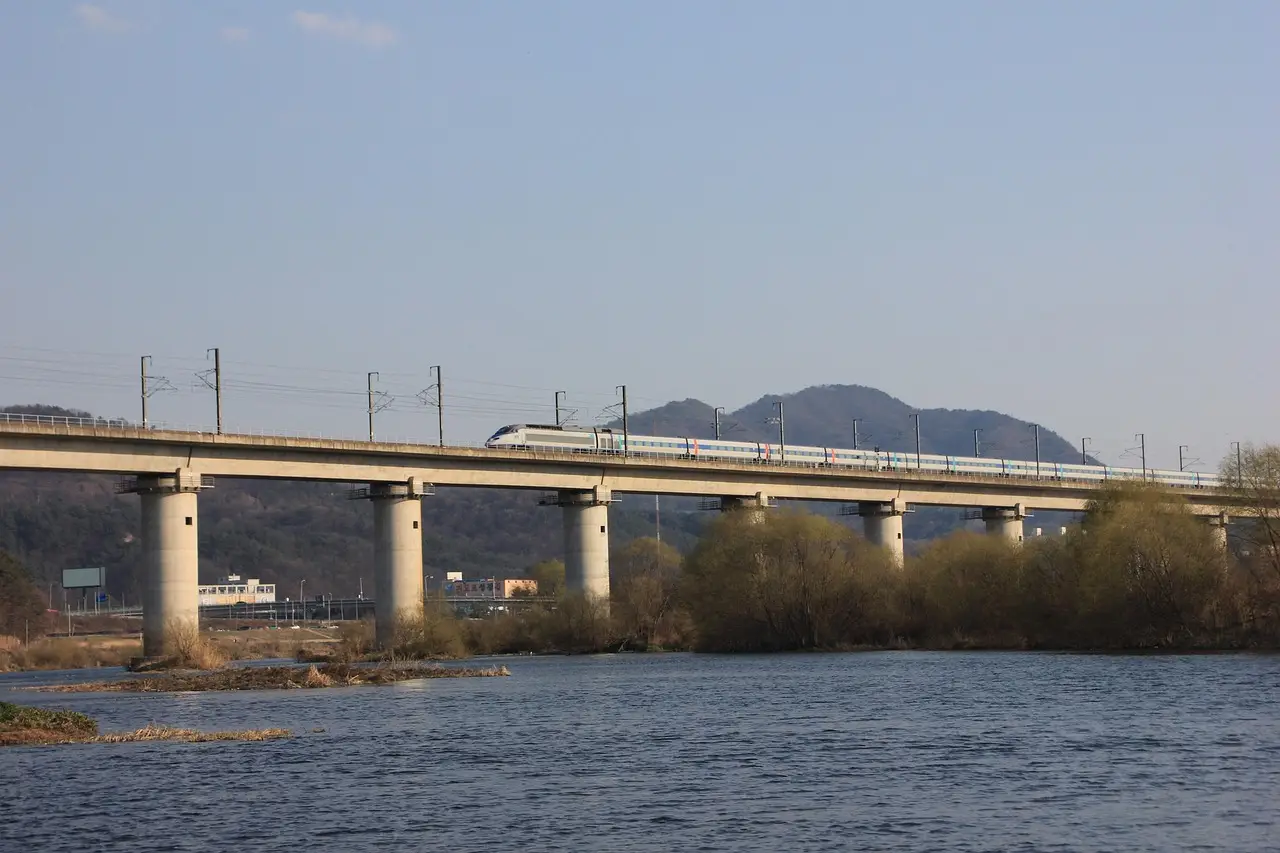
Calling at
- Prosecutors demanded a two-year jail sentence for a hacker who targeted Taiwan's high-speed rail system
- The sentencing demand was reported by Taiwan News
- The demand is a prosecution request, not a final court-imposed sentence
- System impact and formal charges remain unspecified in the available report
- A court verdict is pending and will set the precedent for rail cyber intrusion cases in Taiwan
Taiwanese prosecutors are demanding a two-year prison sentence for a hacker who targeted the island's high-speed rail system, Taiwan News has reported. The sentencing demand marks the most concrete step so far in a case that tests how Taiwan's courts treat cyber intrusion against critical transport infrastructure.
The report identifies the target only as the Taiwan high-speed rail network. The prosecution's two-year request signals that state attorneys treat the offence as serious rather than technical, and it now falls to the court to decide whether the proposed penalty stands, gets reduced, or is dismissed.
The case matters beyond one defendant. High-speed rail sits at the centre of Taiwan's intercity transport market, and any unauthorised access to its systems raises questions that extend well past a single courtroom.
What does the sentencing demand change?
A prosecutor's sentencing request does not itself produce a conviction. It sets the state's opening position before the judge, and in Taiwanese criminal procedure the final term can differ substantially from the demand.
What the two-year request does establish is the scale of consequence the prosecution believes fits the conduct. A demand at that level typically reflects an offence the state regards as more than nuisance-level tampering.
For the operator, the practical questions are operational: which systems the intruder reached, whether train movements, signalling, or passenger data were exposed, and what remediation has already been carried out. The Taiwan News report does not detail those elements, and neither the operator nor the prosecution has, in the material available, published a system-by-system damage assessment.
Why does this case draw attention?
Railway cyber incidents have moved from theoretical risk to prosecuted fact across several networks in recent years, and operators worldwide now treat unauthorised access as a safety-adjacent issue rather than a purely IT matter. A custodial demand of two years puts Taiwan's handling of the case on record for regulators and peer operators to watch.
The prosecution's position also carries a deterrent signal. Where intrusions into transport control environments once drew fines or suspended terms in some jurisdictions, a two-year custodial request aligns Taiwan with the harder line that infrastructure-dependent economies have adopted.
How the court responds will shape expectations for future cases. A sentence at or near the demanded term would confirm that rail cyber intrusion carries real liberty stakes in Taiwan. A substantially lighter outcome would narrow the precedent.
What remains unverified?
Several core facts await confirmation from court documents or official statements:
- The defendant's identity and background, which the available report does not specify.
- The exact systems accessed and the method of intrusion.
- Whether any train service, dispatching function, or passenger record was affected.
- The formal charges under which the two-year demand was filed.
- The timeline of the intrusion, the investigation, and the court dates ahead.
Until the court publishes its ruling, the two-year figure stands as the prosecution's demand, not an imposed sentence. Operators and analysts reading the case should hold that distinction firmly in view.
What happens next?
The court will now weigh the prosecution's request against the evidence and any defence submissions. A verdict will determine both the defendant's fate and the benchmark that Taiwan sets for future infrastructure intrusion cases. Watch for the operator's own incident disclosure alongside the ruling, which would clarify what, if anything, the intrusion touched on the running railway.
via Google News: High-speed rail (Source)
More from Rebecca Stone
Show full bio
Senior reporter covering money, funding and market shifts around Rail industry news and analysis at Mainline Report.
399 articles
Connecting services · Related articles
- 00:44
Alpenglow Rail Names New CFO Ahead of Capital Expansion
- 23:13
Vanderburgh County Deputies to Ticket Drivers at Rail Crossings
- 00:49
Putnam seeks return of passenger rail service to eastern Connecticut
- 00:54
Newsom vetoes California high-speed rail oversight bill
- 14:00
European Parliament backs high-speed rail push for EU cohesion