15:25PAPlt 4688 words
PRASA pairs rail recovery push with new long-distance bus fleet
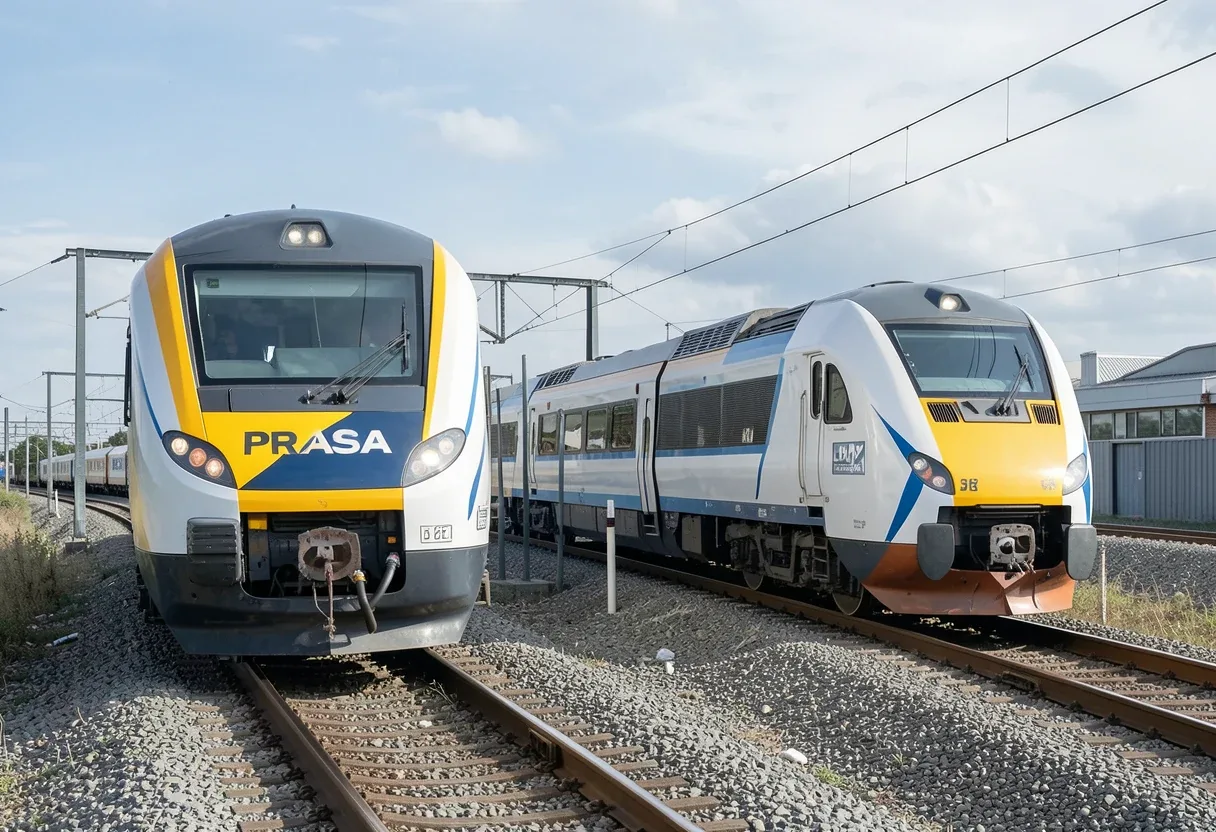
PRASA has showcased its commuter rail recovery and launched a new long-distance bus fleet, pairing rebuilt rail corridors with road services beyond the rail network's reach.
· 3 min journey
Calling at
- PRASA launched a new long-distance bus fleet alongside a public showcase of its rail recovery programme
- The dual-mode strategy targets passengers on corridors where rebuilt commuter rail does not yet reach
- Rail recovery follows years of infrastructure theft and depot closures that gutted the South African commuter network
- Fleet size, routes, fares and launch dates were not specified in the initial report
The Passenger Rail Agency of South Africa (PRASA) has put its rail recovery programme on public display and, in the same move, launched a new fleet of long-distance buses, positioning the two modes as complementary pillars of a national passenger transport revival.
The presentation, reported by Mail & Guardian, frames the state operator's response to a decade in which commuter rail in South Africa collapsed to a fraction of its former reach. PRASA has spent recent years rebuilding stations, restoring signalling and redeploying trainsets on corridors that had been stripped of infrastructure. The new bus fleet extends that recovery beyond the rail network itself.
What did PRASA actually launch?
Two things, according to the report. First, a showcase of the rail recovery effort: the physical and operational work PRASA has carried out to bring commuter lines back into service after years of vandalism, theft of copper cabling and depot closures gutted the network. Second, a fleet of long-distance buses — vehicles intended to carry passengers over intercity distances rather than within metropolitan commuter corridors.
The pairing is deliberate. Where rail recovery has restored a line, trains carry the volume. Where the network remains out of service, or where no rail link exists at all, the buses are meant to hold the passenger base and keep PRASA relevant as a travel option. The operator is, in effect, hedging its recovery across two modes.
What does this change for passengers?
The practical question is straightforward: does a traveller between South Africa's major centres now have a credible alternative to private minibus taxis and private cars? PRASA's answer, on the strength of this launch, is yes — at least on the routes the new bus fleet will serve. Long-distance road services can reach destinations the rail network never covered, and they can start running faster than rail lines can be rebuilt, because they need no track, signalling or electrification.
The risk is equally structural. Buses compete directly with South Africa's established private coach operators and its dominant minibus taxi industry on price and frequency. A state-owned operator entering that market carries cost structures and staffing obligations its private rivals do not, and PRASA's recent financial history leaves little margin for a loss-making road venture.
Claims to check against the record
PRASA's rail recovery narrative is well documented in outline: corridors reopened in Gauteng, the Western Cape and KwaZulu-Natal after years of suspension. But the showcase presentation is an operator's own account of its progress, and trade reporting on PRASA has repeatedly shown gaps between announced reopenings and sustained, reliable service on the lines involved.
Specifics matter here, and the report as syndicated does not carry them. The number of buses in the new fleet, the routes they will run, the launch date for ticket sales and the fares charged are the figures against which this announcement should be judged. So is the current count of operational commuter rail corridors, measured weekly, against the roughly 40 lines PRASA ran at its peak.
Until those numbers are on the record, the launch stands as a statement of direction rather than a measured result: a state operator rebuilding rail where it can and buying road capacity where it must.
Why the dual-mode strategy matters now
South Africa's passenger transport market shifted decisively toward road during the years rail was dark. Minibus taxis captured the commuter base; long-distance coaches captured intercity travel. Winning any of that back requires an operator that can meet passengers where they are, not only where the rails run.
PRASA's bus launch signals that its leadership accepts this. Whether the agency can run a competitive coach service alongside a rail rebuild, on a balance sheet still absorbing the cost of that rebuild, is the question the next set of service data will answer.
Further fleet details, route allocations and fare structures should emerge as PRASA rolls the buses into revenue service, and those figures will determine whether this launch marks a genuine expansion of national passenger capacity or a supplementary holding operation while the rail programme matures.
via Google News: Passenger and commuter rail (Source)
More from Priya Raman
Show full bio
Staff writer covering companies, deals and strategy in Rail industry news and analysis at Mainline Report.
338 articles