03:48FRPlt 2666 words
Port of Los Angeles Moves 5 Million Containers in Five Months
The Port of Los Angeles moved ~5 million containers in five months, its best stretch in 118 years, while 9,500 boxes sat nine days or more on rail amid depressed farm exports.
· 3 min journey
Calling at
- Port of Los Angeles moved ~5 million container units in five months, its best stretch in 118 years
- October topped 1 million containers, the port's second-busiest month on record
- About 9,500 containers sit nine days or longer at BNSF and Phoenix Marine Terminal footprints
- Agricultural exports, the port's largest commodity group, depressed since 2016 China tariffs
- Seroka: after 23 months, more China trade, wider trade gap and more open manufacturing jobs than January 2025
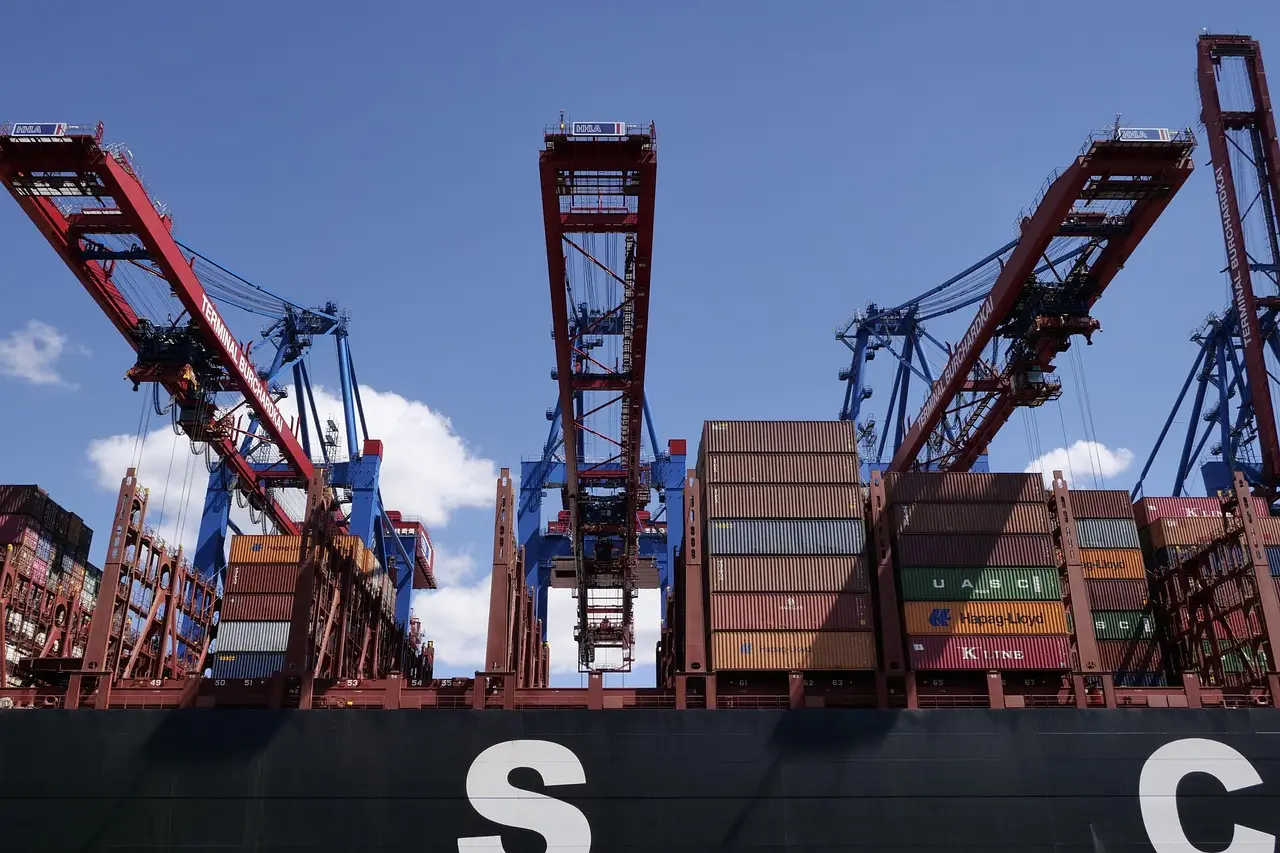
The Port of Los Angeles moved roughly 5 million container units over the past five months, its strongest such stretch in the port's 118-year history, Executive Director Gene Seroka said in an interview with FreightWaves. October alone topped 1 million containers, the second-busiest month on record at the nation's largest container gateway.
Seroka credited a resilient American consumer and surging factory imports of parts and components for the volumes. He paired that assessment with a warning: rail congestion and lopsided trade flows now constrain the near-term outlook.
The surge traces partly to tariff policy. After the Supreme Court's February decision on Section 112 tariffs, applied on a temporary 150-day basis, importers rushed to front-load inventory before the window closed. When Section 301 tariffs returned with more stability, volumes climbed again. Shippers, Seroka said, gained a clear view of landed costs for the first time in roughly two years.
What drove China's comeback?
China emerged as the primary beneficiary of that clarity. Seroka said Chinese cargo volumes have "picked up dramatically" since the ruling and continue to widen the gap over other Asian export nations. He listed structural advantages that competitors struggle to replicate:
- 40 years of refined supply chains
- 13-day transit times from Shanghai to Los Angeles
- more than 100 trains a day departing the LA Basin
"If you put them on a level playing field with other production factory-based countries, they're gonna win every single time," Seroka said. That is a strong claim from an operator whose throughput depends on Chinese cargo, and it stands on three decades of built infrastructure rather than any single policy.
Where is the bottleneck?
Record imports are straining the rail network. Approximately 9,500 containers currently sit nine days or longer at the BNSF and Phoenix Marine Terminal footprints. Both operators are working around the clock to clear the backlog.
The root cause, Seroka argued, is structural. The port has recorded 500,000-TEU import months 11 times; only one other port has reached that threshold once. Export volumes and empty-container repositioning have not kept pace, leaving Western railroads short of engine power, crews and rail cars. Imports feed the congestion; the outbound leg does not relieve it.
Agricultural exports compound the imbalance. Farm commodities — soybeans, No. 5 red wheat, alfalfa, hay, pistachios and walnuts — form the port's largest single commodity grouping, yet volumes have been depressed since 2016, when the first China tariffs took effect. American farmers export two-thirds of their harvest; domestic consumers use one-third. Lost Chinese demand has pushed buyers toward Brazilian soybeans and Australian almonds, eroding the export backhaul volumes that would otherwise help balance rail utilization.
What does Seroka want from policy?
On the trade outlook, Seroka noted the U.S. and Chinese presidents have met four times in the past year, including on the sidelines of APEC in Shenzhen, with a G20 meeting planned in Doral, Florida, next month. He called the frequency "unprecedented" but said much more work remains.
He pointed to specific cost distortions. The 50% tariffs on metals — steel, aluminum and copper — allowed a handful of domestic producers to raise prices by 48%, spreading costs across importers and consumers. After 23 months, Seroka said the data show more trade with China, a wider trade gap and more open manufacturing jobs than existed in January 2025. He used those outcomes to argue for longer planning horizons and industry expertise in policy advisory roles.
"Our planning horizon has been very short for these past 22, 23 months," he said. "Mostly we're reacting to these ebbs and flows."
The figures come from the port's own accounting of a record stretch, and Seroka's projections of continued Chinese volume growth remain exactly that — projections contingent on policy stability he himself says is missing. The record five months, however, are measured, and the 9,500-box rail backlog is the price the network is paying for them.
via freightwaves.com (Source)
More from Amara Osei
Show full bio
News editor covering technology and product news in Rail industry news and analysis at Mainline Report.
407 articles
Connecting services · Related articles
- 09:49
Los Angeles tops 1 million TEUs as rail dwell remains high
- 03:27
Scheduled rail freight in China grows 37% as total traffic inches up 1.1%
- 08:13
China-Europe freight rail trips grow 10.8-fold in a decade
- 24:50
China's Railways Set Passenger Record in First Three Quarters
- 11:25
China–Europe Rail Freight Volume Multiplied 10.8-Fold in Ten Years