00:39Rolling Stock365 words
Peru Weighs Second-Hand Caltrain EMUs for Its Rail Fleet
International Railway Journal examines whether rolling stock retired by Caltrain could be redeployed to Peru, as the operator's fleet renewal frees up trainsets and Peru expands rail capacity.
· 2 min journey
Calling at
- International Railway Journal published an analysis questioning whether former Caltrain rolling stock suits Peruvian service
- Caltrain's fleet renewal follows electrification of its San Francisco–San Jose corridor
- No fleet quantities, delivery dates or funding amounts were disclosed in the distributed headline feed
- Suitability would depend on gauge, traction power, altitude performance and Peruvian regulatory certification
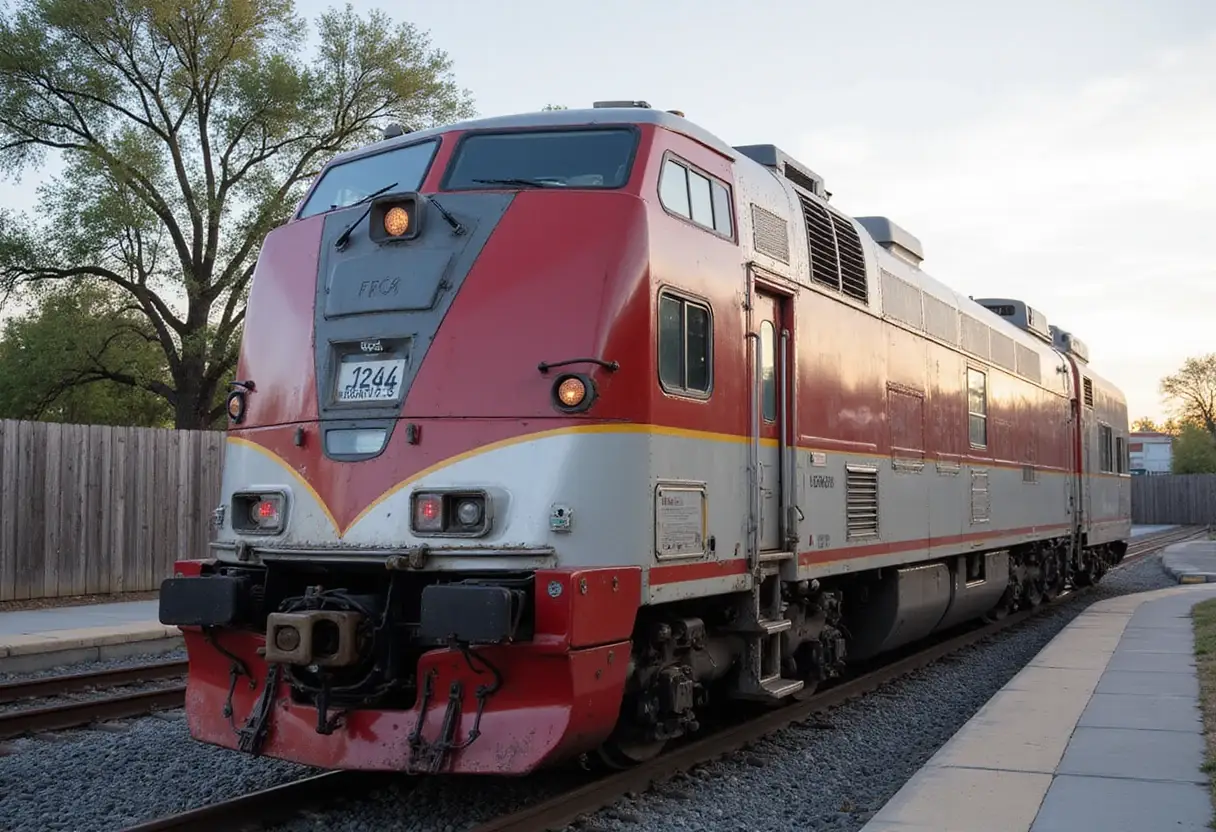
A story published by International Railway Journal has put a direct question to the industry: is former Caltrain rolling stock suitable for service in Peru?
The article, currently surfaced through Google News with the headline "Is former Caltrain rolling stock suitable for Peru?", examines the prospect of redeploying trainsets withdrawn by the San Francisco Bay Area commuter operator to Peruvian railways. The International Railway Journal did not include operational figures, fleet counts or delivery timelines in the distributed headline feed, so several core claims remain to be checked against published fleet plans and network data.
Why does the question matter now?
Caltrain has been replacing its legacy electric-multiple-unit and diesel-hauled fleet as electrification of its San Francisco–San Jose corridor progresses. Surplus rolling stock from that transition regularly attracts interest from operators in emerging rail markets, where second-hand trainsets can cut capital costs and compress delivery lead times compared with new-build orders.
Peru fits that profile. The country is expanding and modernising passenger rail capacity, and any proposal to import used foreign trainsets would need clearance from Peruvian transport regulators before entering service.
What would determine suitability?
Trade-press analysis of such transfers typically turns on measurable factors rather than announcements. For Peru specifically, the open questions include:
- Gauge and platform compatibility with the receiving network
- Traction power, since Caltrain's retired stock includes both diesel and electric units built for a 25 kV ac electrified corridor
- Climate and altitude performance, given Peru's high Andean routes
- Depot, maintenance and spare-parts arrangements for an orphaned fleet type
- Regulatory certification required before commercial operation
Until the International Railway Journal report and any operator statements specify which trainsets are under discussion, each of these points remains a screening criterion rather than a settled fact.
What happens next?
Readers should treat the transfer proposal as a claim, not a confirmed order. The next verifiable milestones would be a named Peruvian operator or authority confirming negotiations, a fleet quantity, and a certification filing. International Railway Journal's full report offers the detail behind the headline question, and its conclusions will show whether former Caltrain stock can translate into service-ready capacity for Peru.
via Google News: Rolling stock (Source)
More from James Calloway
Show full bio
Correspondent covering companies, deals and strategy in Rail industry news and analysis at Mainline Report.
415 articles
Connecting services · Related articles
- 16:00
Peru plans overhaul of national rail safety regulations
- 03:18
California High-Speed Rail Drops Its Buy America Rules
- 13:00
US Passenger Rail Rolling Stock Faces Renewal Question
- 13:15
Mozambique rail operator plans rolling stock purchase
- 11:13
Alstom secures rolling stock contracts on Mexican passenger projects