24:44PAPlt 7530 words
Oklahoma City metro leaders propose Edmond–Norman commuter rail
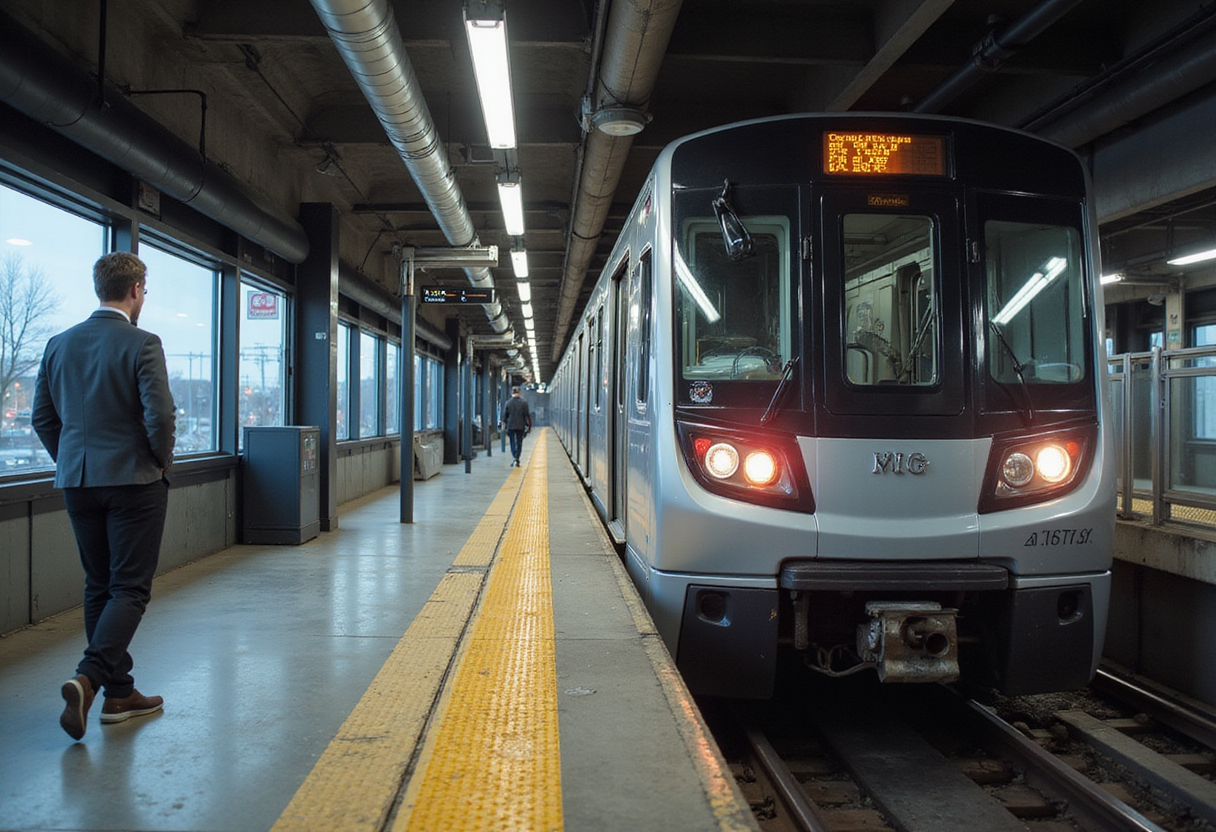
Oklahoma City metro leaders have proposed a commuter rail system connecting Edmond and Norman, the metro's two largest suburban anchors, through downtown OKC.
· 3 min journey
Calling at
- Oklahoma City metro leaders have proposed a commuter rail system connecting Edmond and Norman.
- The proposed north–south line would pass through downtown Oklahoma City.
- No corridor, cost estimate, operator or timeline has been announced with the proposal.
- The region already operates a downtown streetcar funded by voter-approved packages.
Oklahoma City metro leaders have put a commuter rail system on the table that would connect Edmond in the north to Norman in the south, threading the region's two largest suburban anchors through the downtown core.
The proposal, reported by KOCO, marks the most explicit regional push yet to shift the metro's transport conversation from bus and road projects toward fixed passenger rail. Edmond and Norman sit roughly 20 miles apart at the outer edges of the Oklahoma City urbanized area, and both depend today on highway corridors — primarily Interstate 35 and Broadway Extension — for daily commuting into the city center.
What would the system actually do?
A commuter rail line on a north–south axis would link three of the metro's biggest trip generators: the University of Oklahoma campus area in Norman, downtown Oklahoma City, and the University of Central Oklahoma area in Edmond. The geometry matters because the existing BNSF and Union Pacific freight corridors already run through all three cities, and most US commuter rail startups in comparable metros have piggybacked on such freight infrastructure rather than building new track.
Whether that is the intent here remains to be confirmed. The announcement, as reported, names no corridor, no operator, no vehicle type and no construction timeline. Metro leaders backing the idea have not yet published the cost estimate, funding mechanism or governance structure that would determine whether the proposal survives first contact with budgeting reality.
How does this fit the region's transit trajectory?
Oklahoma City has spent the past decade expanding its transit footprint. Voters have repeatedly approved funding packages that financed the downtown streetcar, now in operation, and the regional EMBARK bus network has grown alongside it. A commuter rail proposal extends that pattern to regional-scale infrastructure and would, if built, become the metro's first passenger rail service operating beyond city limits.
Norman and Edmond are the natural endpoints. Both cities have grown steadily, and both universities anchor predictable weekday travel demand — the basic ridership condition any commuter rail business case depends on. The unsolved questions are the standard ones: who pays for capital costs, who operates the service, and whether freight railroads that own the relevant track will grant the access agreements any such system requires.
What happens next?
For now, the proposal exists at the advocacy stage. Metro leaders have floated the concept publicly; they have not yet committed funding, filed with federal regulators or identified a project sponsor of the kind the Federal Transit Administration expects for capital investment programs.
The path from proposal to service in comparable US metros has typically run through an alternatives analysis, a environmental review and a funding split among federal, state and local sources — a process measured in years, not months. The Oklahoma City proposal will need to enter that pipeline before any delivery date, fleet order or station plan can be treated as more than aspiration.
Residents and commuters along the Edmond–Norman axis now wait to see whether the region's leaders attach money and a formal study to the idea, which would be the first measurable signal that the commuter rail concept is moving from discussion toward engineering.
via Google News: Passenger and commuter rail (Source)
More from Rebecca Stone
Show full bio
Senior reporter covering business strategy at Mainline Report.
261 articles
Connecting services · Related articles
- 22:33
Oklahoma City commuter-rail proposal draws free-market critique
- 14:05
Oklahoma City mayor pushes commuter rail in transit investment call
- 14:00
Texas DOT Maps Commuter Rail Options Linking Austin and San Antonio
- 24:54
Austin–San Antonio Passenger Rail Faces $13bn Cost or UP Conflict
- 24:44
Colorado Unveils Plan for Front Range Passenger Rail