13:46INPlt 7699 words
New Zealand First pledges $1.35bn rail programme and Cook Strait ferries by 2029
Winston Peters' party pledges a $1.35bn rail programme, Marsden Point link, 2029 ferries, and new Auckland and Wellington rail companies.
· 3 min journey
Calling at
- New Zealand First commits to the $1.35 billion Rail Network Investment Programme
- New Cook Strait ferries Kupe and Cook scheduled to enter service in 2029
- Rail contributes $3.3 billion annually and moves a quarter of New Zealand's export freight
- More than $2 billion was invested in Auckland rail ahead of the City Rail Link
- The party rejects $1.5 billion Golden Triangle electrification to save $15 million a year in fuel
New Zealand First has published a ten-point rail policy anchored on delivering the $1.35 billion Rail Network Investment Programme, building the Marsden Point Rail Link, and introducing two new Cook Strait ferries, Kupe and Cook, in 2029.
Party Leader Winston Peters announced the package, framing it as a consolidation of work already funded rather than a fresh spending commitment. "We have spent years rebuilding the foundations, and our ten-point rail programme locks in what we have already delivered and funded, then takes the next practical steps," Peters said.
New Zealand First holds the balance of influence in coalition governments and has positioned rail as a point of difference against other parties. Peters said: "New Zealand First has always backed rail, and unlike the other parties that sold it off, ran it down, or talked about it without delivering, we have the track record to prove it."
What does the plan commit to?
The programme spans freight, passenger, and governance measures across both main islands:
- Delivery of the $1.35 billion Rail Network Investment Programme for the national network
- Construction of the Marsden Point Rail Link, connecting Northland's port to the national network
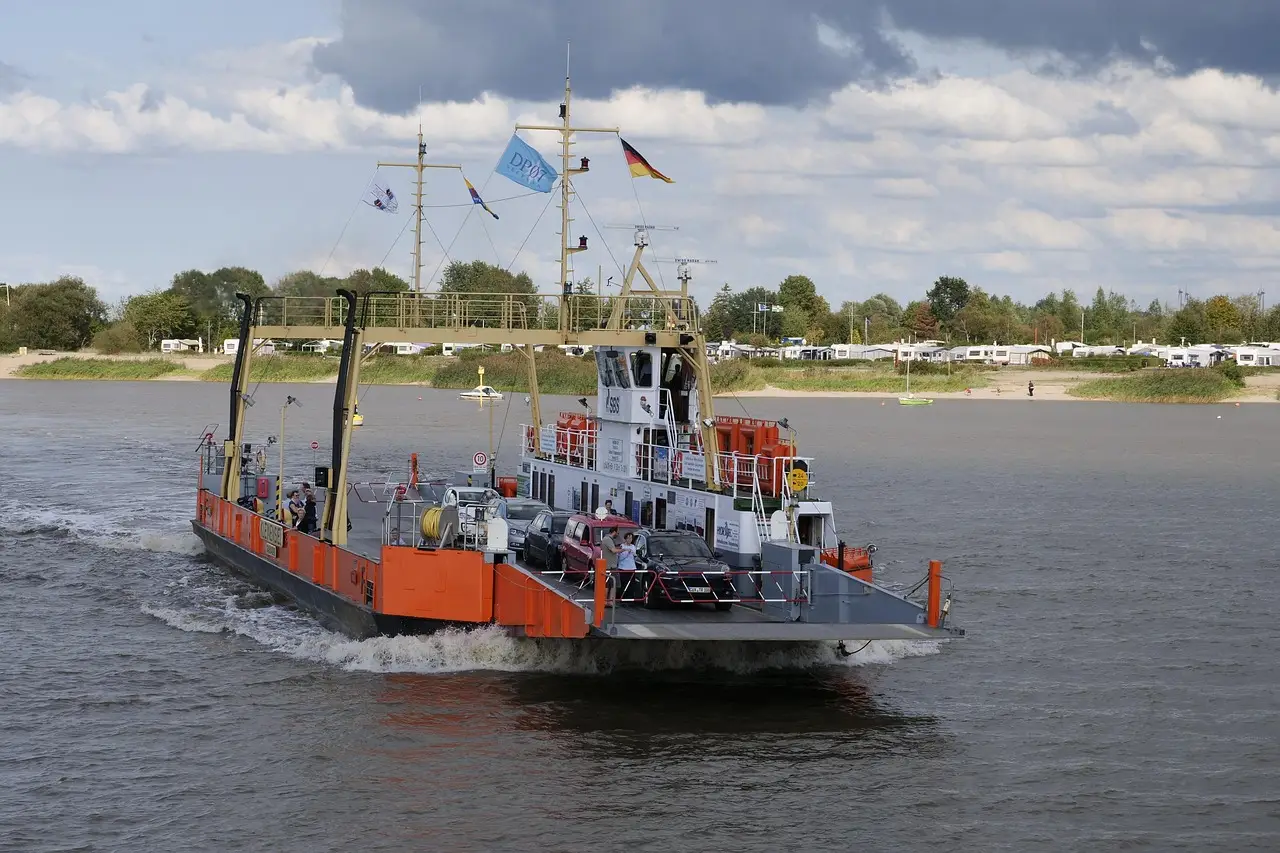
- Introduction of the Cook Strait ferries Kupe and Cook in 2029
- Making the Te Huia regional passenger service between Hamilton and Auckland permanent
- Supporting passenger rail in Christchurch if a trial proves viable
- Removing dangerous level crossings
- Increasing Golden Triangle capacity through the Kaimai Tunnel for freight and passenger trains
- Establishing new Auckland Rail and Wellington Rail companies under shared council-government ownership
- Beginning planning for Auckland's third and fourth main lines
- Protecting the Avondale-Southdown corridor in Auckland for future passenger and freight use
The Auckland and Wellington rail companies are the governance centerpiece. They would bring metropolitan rail infrastructure and passenger services under what the party calls "clear, accountable" shared ownership, while protecting freight, inter-regional and heritage access to those networks.
What does rail contribute now?
Peters backed the commitments with figures on rail's economic role. "Rail contributes $3.3 billion to New Zealand every year, moves a quarter of export freight, and supports more than 24 million metropolitan passenger journeys annually," he said.
He credited the network's condition to legislative change. "The national network is now in its best condition in decades because we changed the law to fund rail infrastructure in the same way as state highways, and put the priority back where it belongs — maintaining and renewing what we have."
The party cited operational markers: rail freight volumes growing faster than road freight volumes, and KiwiRail exceeding its earnings target for a second consecutive year. New locomotives and wagons are due to enter service shortly.
Where has the money gone?
Past investments listed in the announcement total well over $3 billion. More than $2 billion went into Auckland to prepare the network for the City Rail Link. Wellington's network has been rebuilt and upgraded, and Peters said close to a billion dollars is committed to new regional trains for the Wairarapa and Palmerston North services.
Regional spending rebuilt tracks, bridges, tunnels, and workshops. At the Hillside workshop in Dunedin, the 1,000th new wagon recently rolled off the production line, where 50 Otago locals have been trained and employed.
What is ruled out?
The policy explicitly rejects one option: electrifying the Golden Triangle, the Auckland-Hamilton-Tauranga corridor. Peters argued the economics do not stack up.
"We believe in getting more out of what New Zealanders already own, not spending $1.5 billion electrifying the Golden Triangle to save just $15 million in fuel each year in an already low-emissions technology," he said. "That sort of ideological idiocy is best left to the Greens."
The rejection keeps the corridor's capacity gains focused on the Kaimai Tunnel work instead, at a fraction of the capital cost. Peters closed with the party's campaign label: "We are the Commonsense Express, and we have always delivered for rail and New Zealanders and we will keep doing so."
The 2029 ferry introduction and the Marsden Point link now serve as the plan's principal delivery deadlines against which the party's record can be tested.
via Google News: Rail regulation and policy (Source)
More from Priya Raman
Show full bio
Staff writer covering companies, deals and strategy in Rail industry news and analysis at Mainline Report.
391 articles
Connecting services · Related articles
- 16:53
Pressure builds on Government to restore New Plymouth–Wellington trains
- 02:27
NZ First backs Canterbury commuter rail as election campaign opens
- 24:39
KiwiRail reports results for 2026 financial year
- 06:40
Green Party pitches NZ$4.02bn passenger rail plan with overnight sleeper
- 24:50
NZFirst Pledges Christchurch Commuter Rail and Southerner Return