08:15ROPlt 8614 words
MARTA Stadler trains still wait on Georgia approval for entry into service
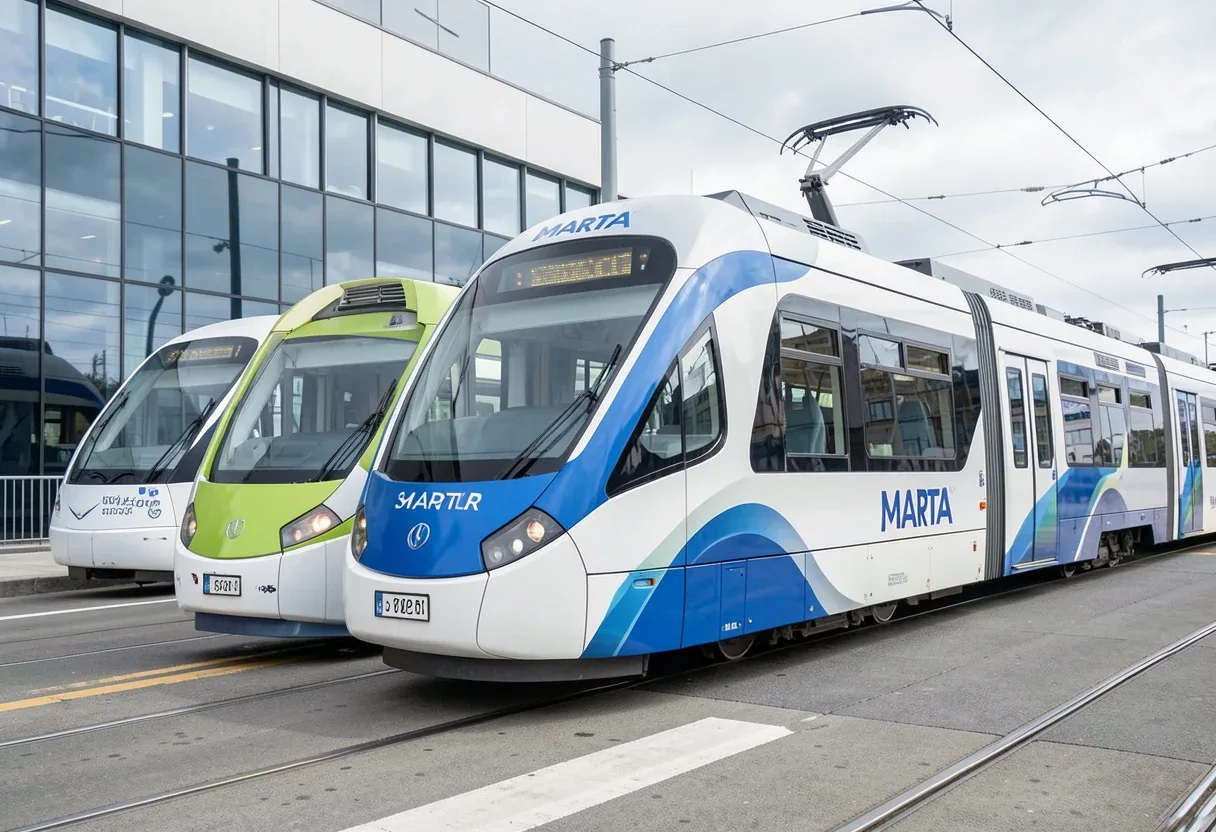
MARTA's Stadler-built trains are delivered but cannot enter passenger service until Georgia state authorities complete their approval review. No service date has been set.
· 3 min journey
Calling at
- MARTA's new Stadler trains have no confirmed entry-into-service date.
- Georgia state approval is the outstanding requirement before passenger service can begin.
- The trains are delivered; the delay is regulatory, not manufacturing-related.
- The report, by Railway Supply, names no date for the state decision.
Atlanta's transit riders still have no date for the first Stadler-built MARTA train to enter passenger service. The Metropolitan Atlanta Rapid Transit Authority has taken delivery of its new railcars, but the fleet remains sidelined pending approval from Georgia state authorities, according to a report by trade publication Railway Supply.
The holdup sits with regulators, not the factory. MARTA's Stadler trains are built and on hand; what they lack is the green light from the state safety review process that governs when new rolling stock can carry passengers on the network.
What does this change for Atlanta commuters?
In practical terms, nothing yet — and that is the story. Until the state signs off, MARTA cannot put the Stadler units into timetable service, so riders continue to travel on the existing fleet. Every week of delay pushes back the capacity, reliability and ride-quality gains the new trains are meant to deliver across the metro system's rail lines.
New rolling stock typically brings tangible operational outcomes: more available cars, lower maintenance burden on ageing units, and better headway resilience during peaks. None of those benefits accrue while the trains sit out of service. The question riders and MARTA planners now share is simply when the approval lands.
Who are the parties involved?
The chain of responsibility runs from supplier to operator to regulator:
- Stadler — the Swiss-headquartered manufacturer supplying the new trains to MARTA under its fleet order.
- MARTA — the Metropolitan Atlanta Rapid Transit Authority, operator of Atlanta's metro and bus network and the customer for the fleet.
- Georgia state authorities — the reviewing bodies whose approval gates the entry into passenger service.
Railway Supply, which reported the situation, framed the delay as procedural: the trains await sign-off rather than additional manufacturing or delivery work.
Claims against fleet plans
As with any supplier or operator announcement, the absence of a service date should be checked against MARTA's stated fleet renewal schedule. The authority ordered the Stadler trains to refresh and expand its railcar fleet for the Atlanta network; delivery has progressed to the point where units are on hand. What remains unmeasured — because it has not started — is in-service performance: availability rates, failure intervals, and passenger load effects.
Those figures will come only after the state clears the fleet. Until then, any projection about improved capacity or reliability on MARTA lines remains a projection, not a measured result.
Why state approval matters
New rail fleets in the United States generally pass through a safety certification and review process before revenue operation. That process covers the trains' conformity with operating and safety requirements on the network they will serve. For MARTA, the practical effect is binary: no approval, no passengers, regardless of how many cars have arrived from the builder.
The delay also carries a cost dimension. Stored, non-revenue trains tie up capital that produces no service return, and extended gaps between delivery and entry into service can compress testing and training schedules on the operator's side.
What comes next
The path forward is straightforward on paper: Georgia authorities complete their review, MARTA receives approval, and the Stadler trains begin carrying passengers on scheduled services. The open variable is timing — Railway Supply's report gives no date, and MARTA has not named one publicly.
Once approval arrives, watch for three markers of real progress: the first revenue run, the pace at which additional units enter service, and MARTA's own reporting on how the new trains perform against the fleet they replace. Until then, Atlanta's newest railcars remain an asset in waiting.
MARTA and Georgia regulators have not publicly indicated when the approval decision will come.
via Google News: Rolling stock (Source)
More from Olivia Hart
Show full bio
Market editor covering people, launches and day-to-day practice in Rail industry news and analysis at Mainline Report.
351 articles
Connecting services · Related articles
- 24:44
Stadler to Modernise Atlanta Rail Signalling Under New Contract
- 14:55
Georgia Urged to Convert Decades of Rail Planning into Service
- 24:49
Amtrak signals new strategy for replacing rolling stock
- 24:44
Amtrak OIG flags risks and openings in fleet renewal programme
- 24:44
Amtrak Inspector General: Past Fleet Deals Offer Lessons for New Orders