24:54FRPlt 11570 words
Kaleido and TransNamib Open Walvis Bay–Karibib Rail Freight Corridor
Kaleido Logistics and TransNamib launched a Walvis Bay–Karibib freight corridor in July, targeting 25,000 tonnes per month and replacing some 735 truck journeys annually.
· 3 min journey
Calling at
- Kaleido Logistics and TransNamib launched the Walvis Bay–Karibib rail corridor in July 2026
- Projected initial volume: up to 25,000 tonnes of freight per month
- Operators expect the service to replace around 735 truck journeys and cut 900 tonnes of CO₂ annually
- A new Kaleido logistics hub opened in Karibib on TransNamib's network for cargo handling, storage and transshipment
- The initial cargo focus is marble and granite blocks; Kaleido runs similar consolidation models in Angola, Zimbabwe and Mozambique
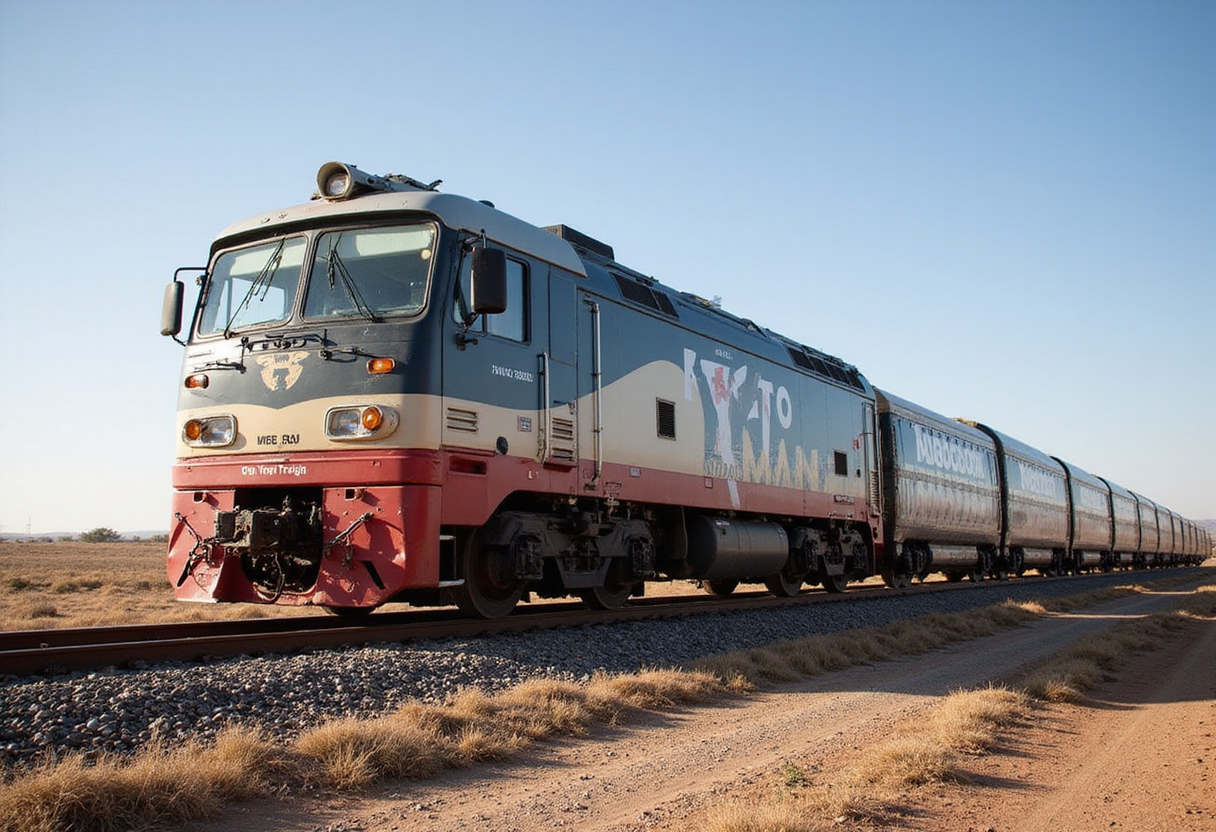
A new rail freight corridor linking Namibia's port of Walvis Bay with the inland town of Karibib began operations in July, with the operators projecting initial volumes of up to 25,000 tonnes per month. Kaleido Logistics and state-owned rail operator TransNamib jointly launched the service, which they say will replace around 735 truck journeys and cut an estimated 900 tonnes of CO₂ emissions annually.
The launch marks one of the first concrete results of TransNamib's effort to rebuild rail as the backbone of Namibia's freight network, a network where road haulage has taken the dominant share of cargo movement.
What does the new corridor include?
Alongside the rail service, Kaleido opened a logistics hub in Karibib, sited directly on TransNamib's rail network. The facility provides cargo handling, storage and transshipment capabilities.
The hub will initially focus on consolidating marble and granite blocks — a natural fit for Karibib, which sits in Namibia's marble-producing region — as well as other freight. Kaleido positions rail as a lower-cost alternative to road haulage for regional shippers.
The corridor operates on a cargo consolidation model that combines rail with ocean freight and road transport, allowing bulk and containerized cargo to move through a single logistics network. Kaleido has deployed the same model in Angola, Zimbabwe and Mozambique.
What are the operators claiming?
The 25,000-tonne monthly figure and the associated truck and emissions reductions are projections at this stage. Both companies announced them at launch as expected outcomes of the service, not as measured results, and neither has yet published verified traffic data for the corridor's first months of operation.
Kaleido CEO Xoán Martínez framed the project as part of a broader African expansion strategy.
"The launch of this rail corridor, together with the opening of our new logistics hub in Karibib, represents a strategic step in strengthening our presence in Namibia and continuing to develop integrated logistics solutions across African transport corridors," Martínez said.
TransNamib CEO Desmond van Jaarsveld tied the partnership to the operator's wider restructuring of national freight flows. He said the deal forms part of the company's strategy to restore rail as the backbone of Namibia's freight network, providing more efficient and sustainable transport while supporting the country's ambition to become a regional logistics hub.
Why does Walvis Bay matter?
The corridor connects Karibib, roughly 140 km inland along the main east–west line, to Walvis Bay, Namibia's deep-water port and the gateway for the Walvis Bay Corridor serving landlocked markets in southern Africa. The port has positioned itself as an alternative entry point for cargo bound for Botswana, Zambia and Zimbabwe.
For Kaleido, the Karibib hub extends a consolidation footprint that already covers three neighboring markets. For TransNamib, each tonne shifted to rail supports both its revenue base and the government's stated goal of reducing freight's road dependence.
What happens next?
The initial commodity focus on marble and granite blocks gives the corridor a stable, heavy base load suited to rail economics, with additional freight types to follow through the consolidation model. Whether the projected 25,000 tonnes per month materializes will depend on shipper uptake and the reliability of TransNamib's train operations.
Van Jaarsveld indicated that further corridor partnerships of this type remain on the operator's agenda as it works to re-establish rail's share of national freight.
via middleeast.breakbulk.com (Original)
More from James Calloway
Show full bio
Correspondent covering consumer brands and retail at Mainline Report.
289 articles
Connecting services · Related articles
- 12:35
Zimbabwe adds freight rail option to lithium export gateway
- 23:43
Transnet Restores Cape Mainline After Storm Damage
- 24:39
Saudi Arabia turns to freight rail for supply-chain security
- 24:49
Traxtion positions for African rail reforms and mineral freight surge
- 24:49
Jordan Plans Freight Rail Expansion as Hormuz Routes Disrupted