24:49ROPlt 5525 words
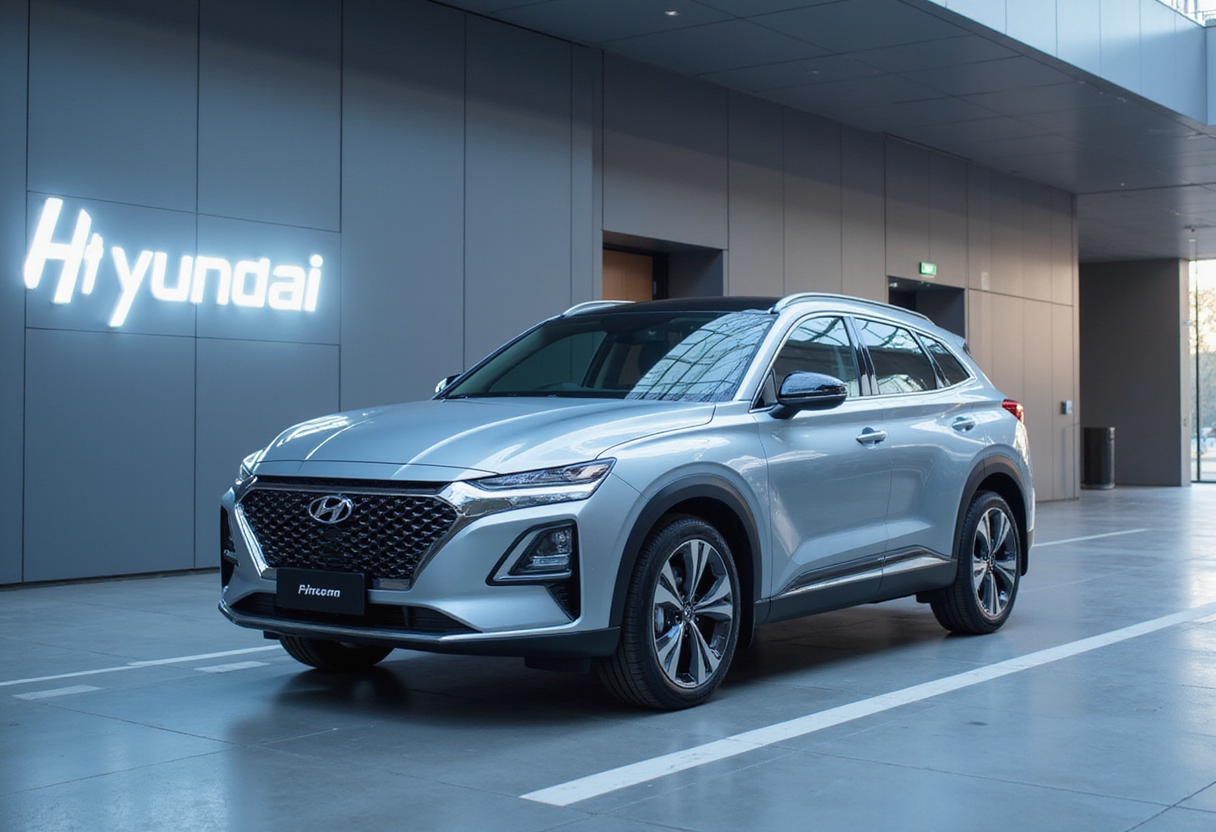
Hyundai Rotem unveils next-generation HSR concept at InnoTrans
Hyundai Rotem unveiled a next-generation high-speed rail concept at InnoTrans Berlin, marking its first public showing at the trade fair. No speed, capacity or launch-customer details accompanied the display.
· 3 min journey
Calling at
- Hyundai Rotem unveiled a next-generation high-speed rail concept at InnoTrans in Berlin, the first public display of the design
- No top speed, formation length, passenger capacity or signalling platform was disclosed with the unveiling
- Hyundai Rotem currently supplies KTX-Sancheon trainsets operating at 305 km/h on the Seoul–Busan corridor
- Established high-speed competitors at the show included Alstom, Siemens Mobility, Hitachi Rail and CRRC
- The next InnoTrans takes place at Messe Berlin in September 2026
Hyundai Rotem has unveiled a next-generation high-speed rail concept at InnoTrans in Germany, marking the South Korean builder's first public display of the design at the biennial Berlin trade fair.
The unveiling took place at InnoTrans, the rail supply industry's largest exhibition, held every two years at Messe Berlin. Hyundai Rotem, part of the Hyundai Motor Group, has supplied high-speed trainsets for South Korea's national KTX services. It also exports metro cars, locomotives and defence vehicles across Asia, the Middle East and the Americas.
What does the concept signal?
The Korean builder's move positions it alongside established high-speed platforms from Alstom (Avelia), Siemens Mobility (Velaro), Hitachi Rail and CRRC. All four display current or future offerings on the InnoTrans show floor. Hyundai Rotem already operates at the high-speed tier through its KTX-Sancheon (KTX-II) trainsets, which entered Korean service in 2010 and run at 305 km/h on the Seoul–Busan corridor operated by KORAIL.
A next-generation HSR concept would typically address the standard targets driving the segment: higher energy efficiency through aerodynamic profiling, permanent-magnet motors or distributed traction. It would also target reduced axle loads for compatibility with legacy infrastructure, and signalling readiness for ETCS Level 2 or 3 operation. Whether the Berlin display addresses these areas is not stated in the available reporting.
What details remain undisclosed?
No top speed, formation length, passenger capacity figure, traction architecture or signalling platform accompanied the unveiling in the source material. Hyundai Rotem has not named a launch customer, a test corridor or a commercial service entry date. Korean domestic growth corridors — including planned Seoul–Busan capacity upgrades — would be obvious candidate markets if the programme advances.
Industry practice at InnoTrans often uses the venue for early market sounding rather than formal programme launches. A concept display without a procurement announcement fits that pattern. The absence of an order should be read as consistent with an early-stage proposal rather than a near-term production commitment.
How does this fit Hyundai Rotem's export strategy?
Hyundai Rotem's overseas metro and tram contracts have grown substantially over the past decade, with orders in cities including Manila, Jakarta, Hanoi and Taipei. A high-speed platform would extend the builder's addressable market into mainline intercity tenders currently dominated by European and Chinese suppliers.
The strategic question is whether Hyundai Rotem can convert concept-stage visibility into a firm development contract. European high-speed procurement in the coming years is concentrated on programmes tied to Rail Baltica, Italian FS high-speed fleet renewal and potential Iberian capacity expansions. None of those is openly earmarked for a Korean supplier today. Gulf and Southeast Asian corridors represent alternative targets.
What comes next?
The next InnoTrans takes place at Messe Berlin in September 2026. By that point Hyundai Rotem will be expected to convert the 2024 concept into either a formal development phase with a launch customer, or a named industrial partnership. Until such commitments materialise, the Berlin unveiling should be read as a positioning move in a market where the Korean builder faces entrenched competition from four larger rivals.
via Google News: High-speed rail (Source)
More from Amara Osei
Connecting services · Related articles
- 06:18
Hyundai Rotem Targets $3.7 Billion KTX Fleet Replacement Order
- 24:44
Hyundai Rotem Puts EMU-320 High-Speed Train on Display at InnoTrans 2026
- 22:23
Hyundai Rotem targets 400 km/h exports and hydrogen traction
- 24:49
Hyundai Rotem unveils 400 km/h high-speed and hydrogen concepts
- 05:18
Hyundai Rotem Targets 5 Trillion Won KTX Replacement Order