19:30ROPlt 4631 words
CrossCountry to bring additional Voyager trains into service from 2027
CrossCountry will introduce additional Voyager trains from 2027, per Rail Business Daily. The plan adds diesel capacity at a moment when HSTs are due off the network and a fleet transition is in motion.
· 3 min journey
Calling at
- CrossCountry to introduce additional Voyager trains from 2027, per Rail Business Daily
- The operator has run Class 220 and 221 Voyagers since the early 2000s
- High Speed Trains on CrossCountry are due to leave by the end of 2026 under published plans
- The headline does not state how many additional Voyagers will enter service, where they will come from or how the move will be funded
- Diesel Voyagers cost more per mile than the bi-mode and electric units the DfT has signalled for the next franchise
By Priya Raman
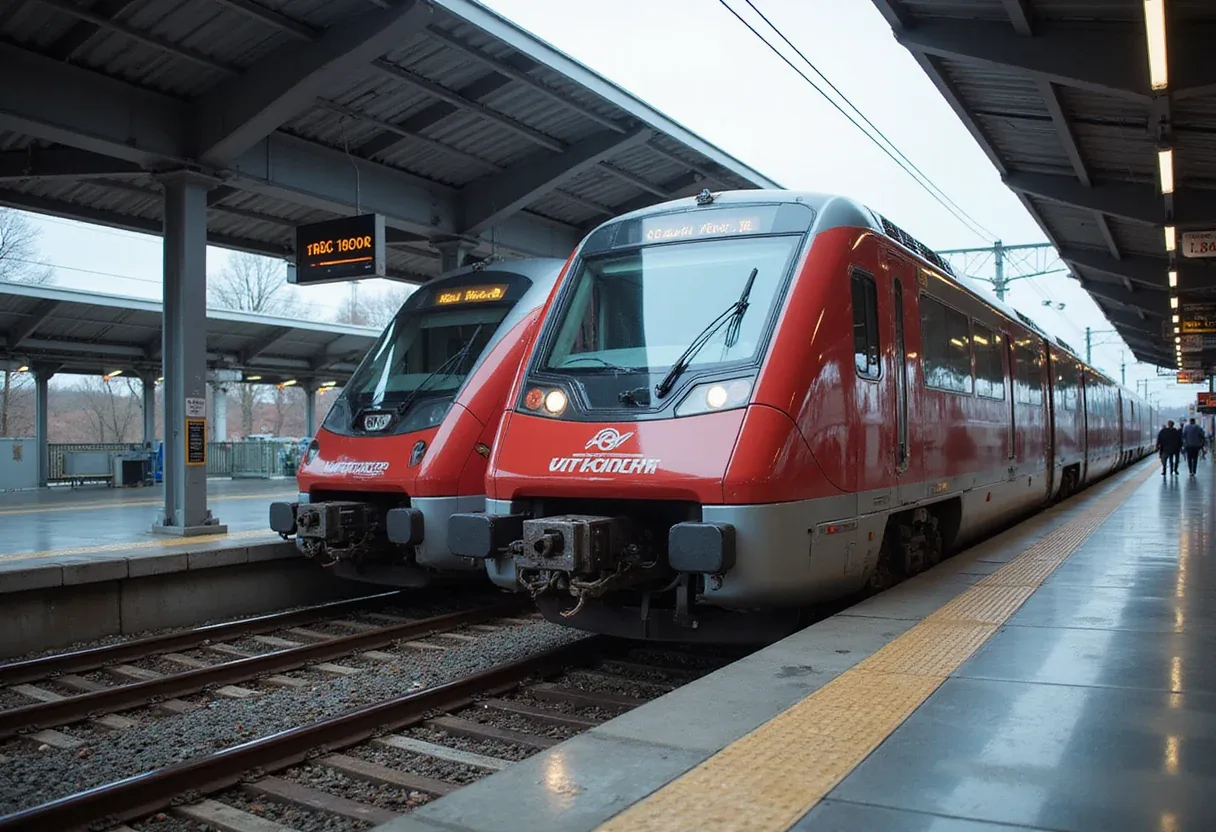
CrossCountry will introduce additional Voyager trains onto its long-distance network from 2027, according to Rail Business Daily. The headline carries weight for one reason: it points to a capacity increase on routes that have run with the same diesel fleet for two decades.
What does the announcement say?
Rail Business Daily reports that CrossCountry will bring more Voyager units into traffic in 2027. The operator runs services under a National Rail Contract, the standard form of agreement for franchised UK train operators. It has operated Class 220 and Class 221 Voyagers since the early 2000s.
Adding stock to that fleet at this stage of the trains' working life is unusual. Most Voyagers were scheduled to retire before the end of the decade.
Where will the extra trains come from?
The headline leaves that question unanswered. Three mechanisms are plausible:
- Stock cascading from another operator, with Avanti West Coast having released Class 221 Super Voyagers in past reshuffles
- Refurbishment of stored or withdrawn Voyagers sitting in sidings
- A heavy overhaul of CrossCountry's own fleet to extend its operational window
Each path produces a different cost profile, a different reliability outcome and a different contract structure. The choice will dictate whether the move is a stopgap or a longer-term capacity plan.
Why does this matter for the network?
CrossCountry links Scotland, the North East, Yorkshire, the Midlands and the South West. Its long-distance services depend on Voyagers, on High Speed Trains (HSTs, the Class 43 diesel-electric sets that date from the 1970s) and on a small Turbo fleet for branch lines.
HSTs are due to leave by the end of 2026 under most published plans. The Voyagers must then cover a wider share of the timetable. Extra Voyagers buffer a thinning fleet. In some cases they replace ageing units. In other cases they support new workings.
What does this change for passengers?
More units mean more diagrammable trains. The operator can run additional services or strengthen existing ones. Standing on crowded workings between Birmingham, Manchester, Bristol and Edinburgh has been a recurring passenger complaint. Extra stock eases that pressure in theory.
The mechanism is straightforward. More coaches per train, or more trains per hour, raises seats per day on key corridors. The practical question is whether the extra units translate into longer trains or new paths on the timetable.
What does the expansion cost?
Each additional Voyager requires maintenance, fuel and crew. Diesel Voyagers cost more per mile than the bi-mode and electric units the Department for Transport has signalled for the next franchise. Running extra Voyagers in 2027 delays the fleet transition by a year or more.
The trade is older stock now, newer stock later. The Department will weigh that trade against capacity benefits and the level of subsidy paid through CrossCountry's contract.
What remains unverified?
Rail Business Daily's headline is the only published element. The number of additional trains, their source, the refurbishment contractor, the funding route and the precise routes affected are all absent from the report.
CrossCountry's own fleet plan documents, the Department for Transport's high-level output specification and the Office of Rail and Road's rolling stock registers will provide the cross-check. Until those align with the announcement, the headline marks an intention rather than a confirmed timetable.
A wider fleet question
The UK's long-distance diesel fleets are reaching the end of their design life. Hitachi, Alstom and CAF are supplying or developing replacement trains for operators across the country. Extending Voyagers buys time while those fleets ramp up.
CrossCountry's 2027 expansion is therefore both a capacity story and a fleet transition story, told in one short headline. The next reporting cycle will show which mechanism is in play.
via Google News: Rolling stock (Source)
More from Priya Raman
Show full bio
Staff writer covering companies, deals and strategy in Rail industry news and analysis at Mainline Report.
346 articles
Connecting services · Related articles
- 08:40
CrossCountry set to receive additional Voyager trains
- 19:30
Eight More Voyager Trains Headed to CrossCountry
- 15:10
CrossCountry to Bring Additional Voyager Trains Into Service
- 17:55
VIA Rail awards $6.7-billion fleet contract to French and Swiss builders
- 09:40
Great British Railways publishes rolling stock and infrastructure strategy