05:04POPlt 1404 words
CNN Analysis Asks Why High-Speed Rail Has Failed to Take Hold in the US
CNN examines why the United States, despite decades of proposals, still operates no true high-speed rail line, framing the gap as structural rather than accidental.
· 2 min journey
Calling at
- CNN published an analysis asking why high-speed rail does not work in America
- The US has no true dedicated high-speed rail line in operation, in contrast to Asia and Europe
- The piece frames the absence as a structural outcome of American conditions, not a temporary delay
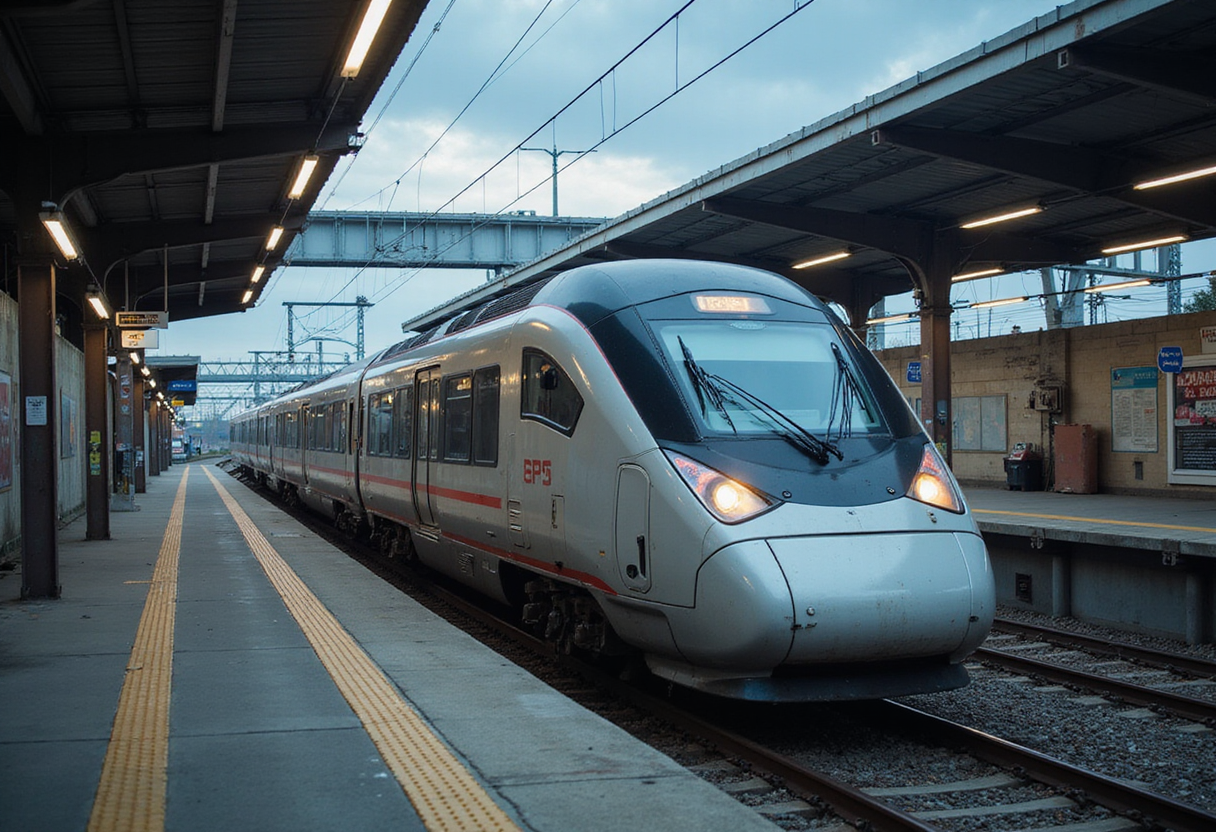
CNN has published an analysis asking why high-speed rail does not work in America, returning to one of the most persistent questions in US transport policy: why a country of continental scale has no true high-speed line in operation.
The question itself carries weight. Decades after Japan opened the Shinkansen and Europe built out dedicated 300 km/h corridors, the United States still lacks a single passenger railway that meets international high-speed definitions end to end. CNN's piece frames that absence not as a technical failure but as the product of structural conditions specific to the American context.
What does the analysis point to?
The CNN examination joins a long-running debate over why US high-speed rail proposals have repeatedly stalled while counterparts in Asia and Europe advanced. The question of "why" sits at the centre of the piece: the outlet treats the absence of operational high-speed rail in America as an outcome that demands explanation rather than an accident.
Readers of trade coverage will recognise the recurring themes such analyses typically weigh: fragmented funding across federal and state levels, long permitting timelines, the cost of acquiring new right-of-way in built-up corridors, and the dominance of competing modes — car and aviation — in American intercity travel. CNN's framing puts the burden of proof on the US rail policy establishment to show how the current gap can be closed.
How does the US situation compare?
The contrast is stark by any measure of delivered infrastructure. Japan, China, France, Spain and Germany operate dedicated high-speed networks carrying millions of passengers annually. The United States, by comparison, has spent recent decades announcing corridors more often than opening them.
That gap between announcement and operation is the crux of the CNN analysis. Where other nations converted studies into steel within a decade or two, American projects have tended to linger in environmental review, funding uncertainty or political turnover. The question the piece poses — why high-speed rail does not work in America — implies that the obstacles are durable features of the system rather than temporary delays.
What happens next?
The CNN analysis does not close the file on US high-speed rail; it reopens it. As long as the country's most advanced corridor projects remain unfinished, the question of why America cannot deliver high-speed rail will keep returning to the front of the transport policy agenda.
via Google News: High-speed rail (Source)
More from Amara Osei
Connecting services · Related articles
- 24:54
CNN Asks Why High-Speed Rail Has Failed to Take Hold in the US
- 24:39
US high-speed rail projects face repeated delays, analysis finds
- 12:35
Planetizen Asks Why America's Trains Are So Slow
- 14:35
High-Speed Rail Proposal Targets U.S. Passenger Rail Investment
- 16:05
Opinion Column Warns High-Speed Rail Costs Are Climbing Sharply