20:54ROPlt 10636 words
Christophe Fanichet to lead Eurostar’s €2bn fleet programme
Eurostar named Christophe Fanichet CEO on 2 November. He will oversee a €2bn programme for up to 50 Alstom trains, with the first in passenger service in May 2031.
· 3 min journey
Calling at
- Eurostar appointed Christophe Fanichet CEO on 2 November.
- Faniquet chaired SNCF Voyageurs from January 2020 to July 2026 and joined Eurostar Group’s board in 2022.
- The €2bn Celestia programme covers up to 50 Alstom double-decker trains, with first passenger service expected in May 2031.
- Eurostar operates 51 high-speed trains across five countries; SNCF owns 55.75%.
- Under Cazenave, Eurostar reached 20 million annual passengers in 2025; she reported revenue growth above 30% since 2022 and an 18% EBITDA margin.
By James Calloway
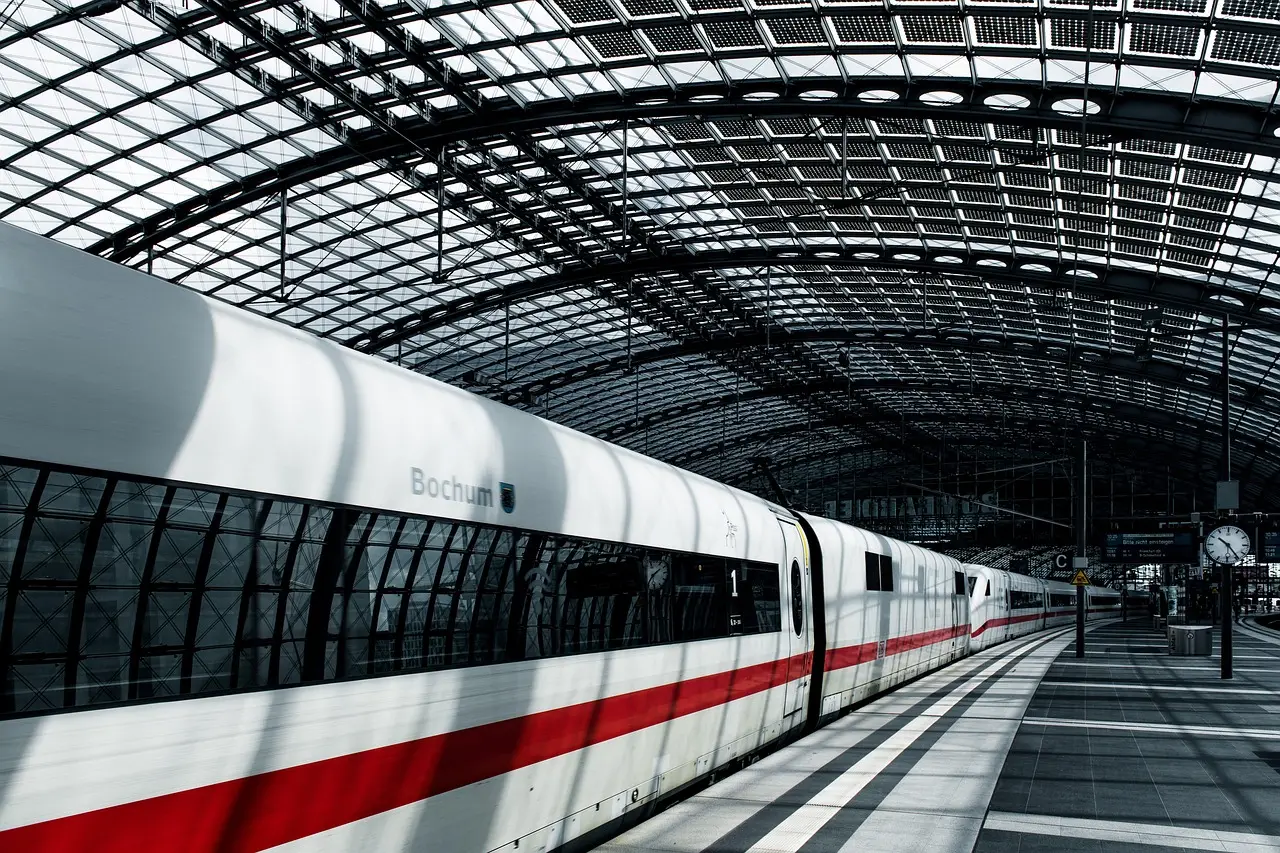
Eurostar named Christophe Fanichet chief executive on 2 November, placing the former SNCF Voyageurs chief in charge of a €2 billion fleet programme for up to 50 Alstom double-decker trains, with the first units expected to enter passenger service in May 2031.
Until Fanichet takes office, Matthieu Quyollet, Eurostar’s Chief Financial, Strategy and Transformation Officer and deputy CEO, will lead the business on an interim basis. Eurostar gave no start date for Fanichet, so Quyollet will maintain executive continuity during the handover.
Who is Fanichet?
Fanichet spent nearly two decades in senior management positions within SNCF, the French national railway group. His stated tenure as chairman and CEO of SNCF Voyageurs runs from January 2020 to July 2026, and he has sat on Eurostar Group’s board of directors since 2022.
That board service gives Fanichet prior exposure to Eurostar Group before he took executive control. SNCF remains Eurostar’s majority shareholder with a 55.75% stake, and Fanichet arrives from SNCF Voyageurs after holding senior positions within that shareholder.
What does he inherit?
Eurostar currently operates 51 high-speed trains across an international network connecting the United Kingdom, France, Belgium, the Netherlands and Germany. The Alstom order under Celestia is almost as large as that fleet, but Eurostar has not said how many trains will replace existing stock or add net capacity.
The €2 billion figure sets the programme’s scale. It does not disclose a unit price, financing plan or the number of trains firmly covered by the “up to 50” ceiling. Neither does it specify whether the new stock will change route capacity or operating costs once the fleet enters traffic.
May 2031 applies only to the first units and remains an expectation, not a delivered date. The announcement identifies Alstom as supplier but gives no production, testing or regulatory timetable, and names no regulator for the cross-border programme. Alstom delivery and Eurostar’s acceptance of the first train will test whether the May date holds.
What did Cazenave deliver?
Cazenave took over Eurostar in October 2022 and oversaw the integration of Eurostar and Thalys under a single brand. During her tenure, the operator reached 20 million annual passengers in 2025. She also reported revenue growth of more than 30% since 2022 and an EBITDA margin of 18%.
These are retrospective operating and financial results, not projections. They establish a commercial baseline for Fanichet, but the announcement provides no earlier passenger series, route-level volumes or fleet-utilisation data. The headline growth therefore cannot show which routes or trains carried the increase.
The single-brand structure is now the platform on which Fanichet will manage the fleet programme. The announcement cites the integration and growth figures without breaking out their operating effect by country. That leaves the passenger, revenue and cost baseline less granular than the five-country network requires for judging capacity decisions.
What changes under the interim team?
Quyollet’s interim appointment preserves executive responsibility without changing the announced order, routes or May 2031 passenger-service target. The announcement specifies no fare, timetable, capacity or fleet-deployment change. The first operational result of the leadership transition will therefore come from continued delivery and integration work, not an immediate service alteration.
Fanichet’s main stated responsibility is implementation of the €2 billion fleet investment programme. He also enters a company whose majority shareholder, SNCF, holds 55.75%. The combination makes schedule and cost control the central tests for the new CEO, alongside preservation of the gains Cazenave reported.
The next checkpoint is whether Alstom and Eurostar can turn the May 2031 expectation into passenger operation while keeping the programme within its €2 billion envelope. Until then, the 50-train ceiling remains a planned order against a current fleet of 51, not a quantified increase in capacity.
via railmarket.com (Source)
More from James Calloway
Show full bio
Correspondent covering companies, deals and strategy in Rail industry news and analysis at Mainline Report.
377 articles
Connecting services · Related articles
- 15:01
VIA Rail names Mathieu Paquette CEO; AECOM appoints Dwight Pullen to lead transportation
- 19:30
Certares Commits $2.3 Billion to European High-Speed Rail
- 16:48
France signs rolling stock action plan
- 10:30
Transport Secretary updates MPs on GB Railways fleet strategy
- 24:54
Stadler names Philipp Brunner group CEO from January 1, 2027